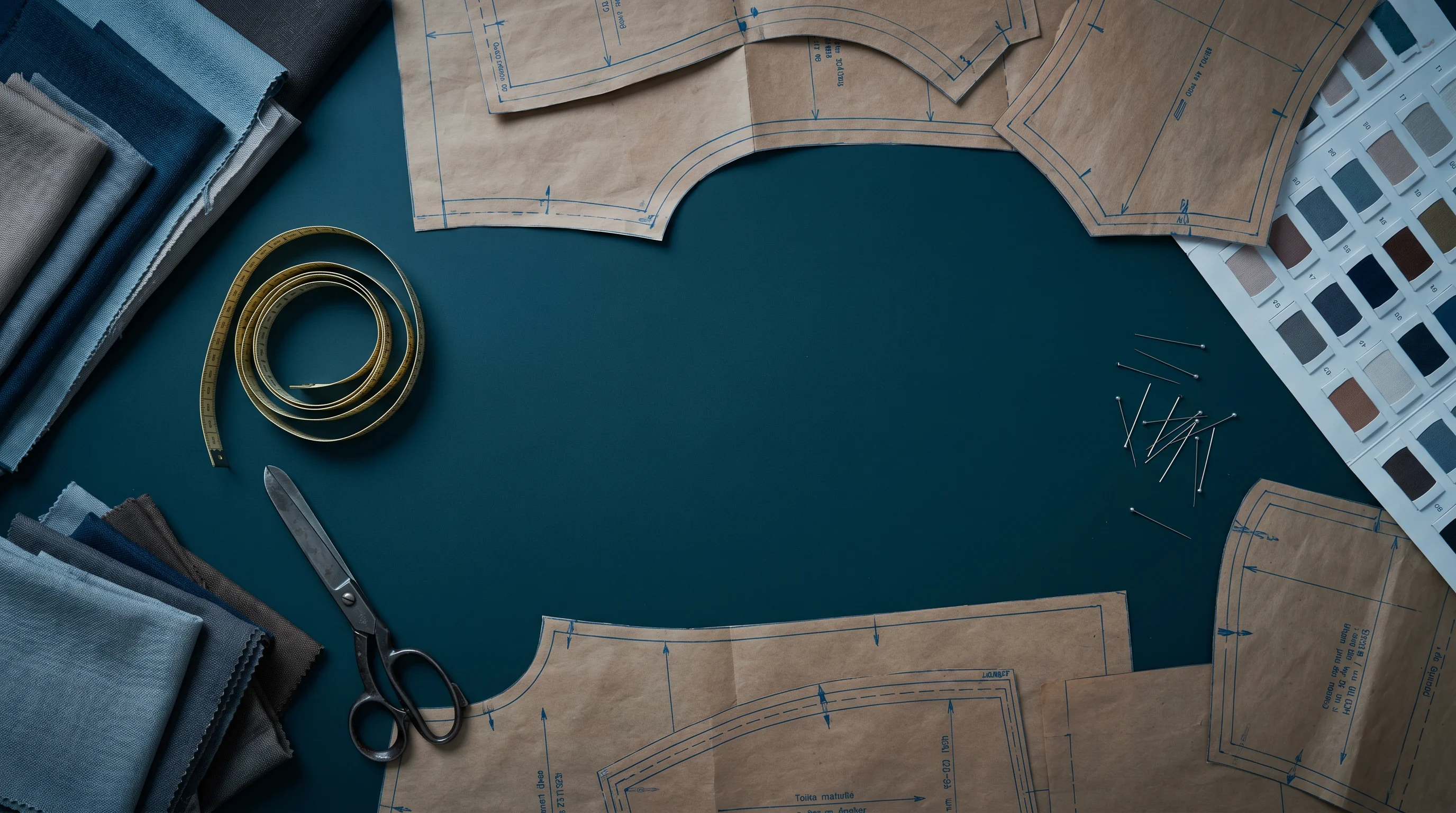
Top-down pattern-making table — paper sewing patterns, measuring tape, scissors and fabric swatches on a deep-teal surface
The Seam Method

From Pattern to Production, Every Step Stitched Together

A fishing apparel factory where design, sampling, bulk and QC run on one seam — first pattern to last carton, one category deep.

  1. Designpattern & tech pack
  2. Samplesewn in-house, 7–10 days
  3. Bulkcut · print · sew
  4. QCchecked to your approved sample
Our Factory Story

How a Cut-and-Sew Workshop Narrowed Into Fishing Apparel

It didn't start as a fishing specialist — it narrowed into one, year by year. (Factory-stated history.)

2013

Cut-and-sew beginnings

Founder Mr. Lin opened a general cut-and-sew workshop running outdoor and activewear basics — learning fabric handling, grading and seam finishing before there was a category focus.
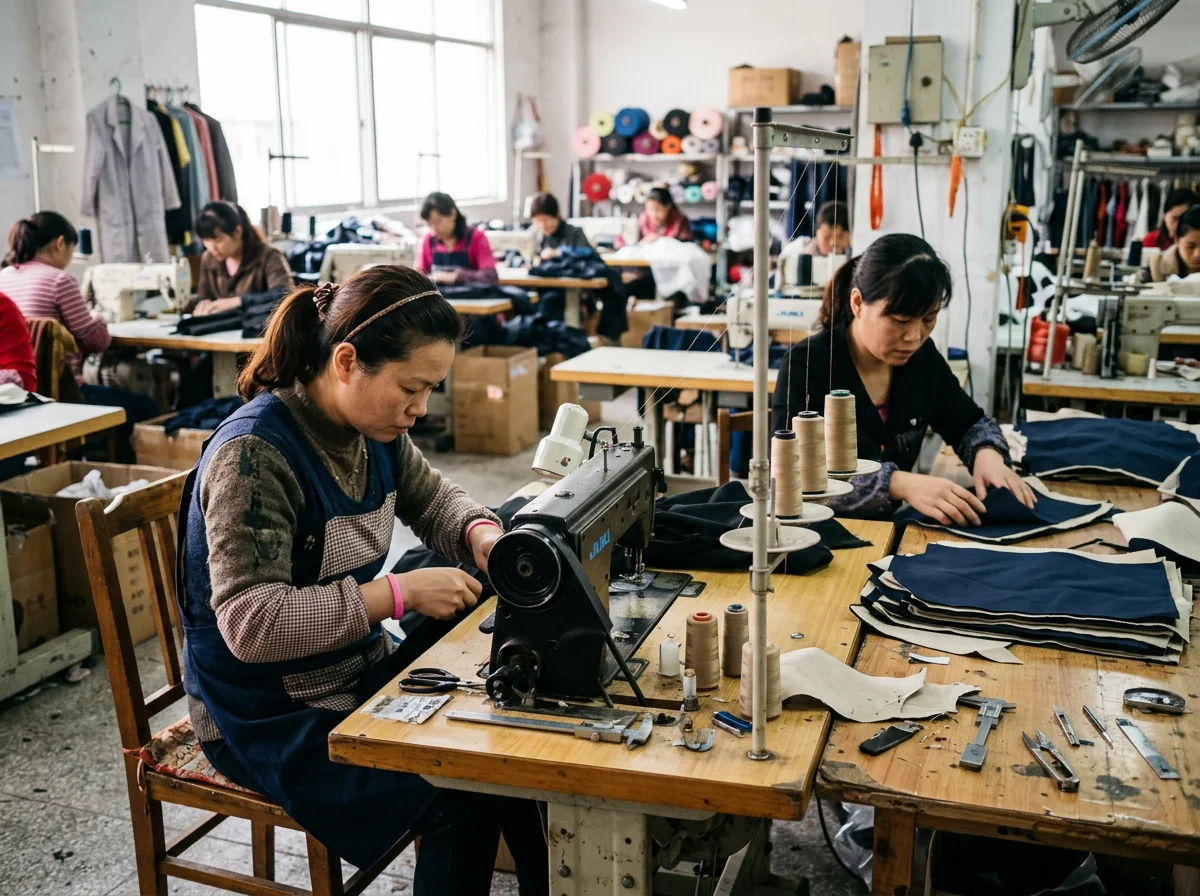
A general cut-and-sew tailor workshop bench, 2013
2016

The performance turn

Installed dye-sublimation and started running performance knits; the first UPF sun shirts and sublimated jerseys ran so much cleaner than the mixed bag that the shop began pulling toward fishing.
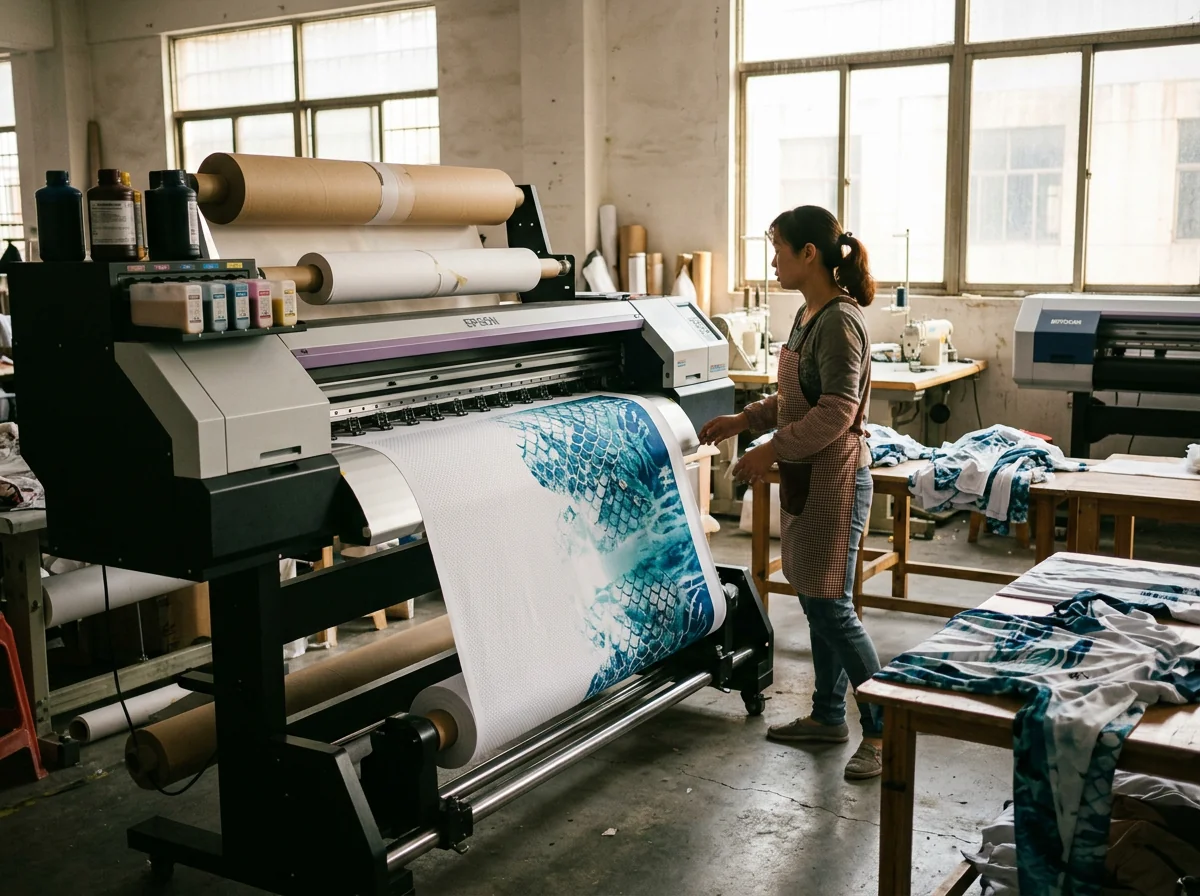
Dye-sublimation printer running performance fishing knit, 2016
2019

Narrowed to fishing only

Dropped the side categories and pointed cutting, print and sewing at fishing apparel — building the fishing-specific block-pattern library and print-recipe set still in use. This is where fishing garment manufacturing became the whole business.
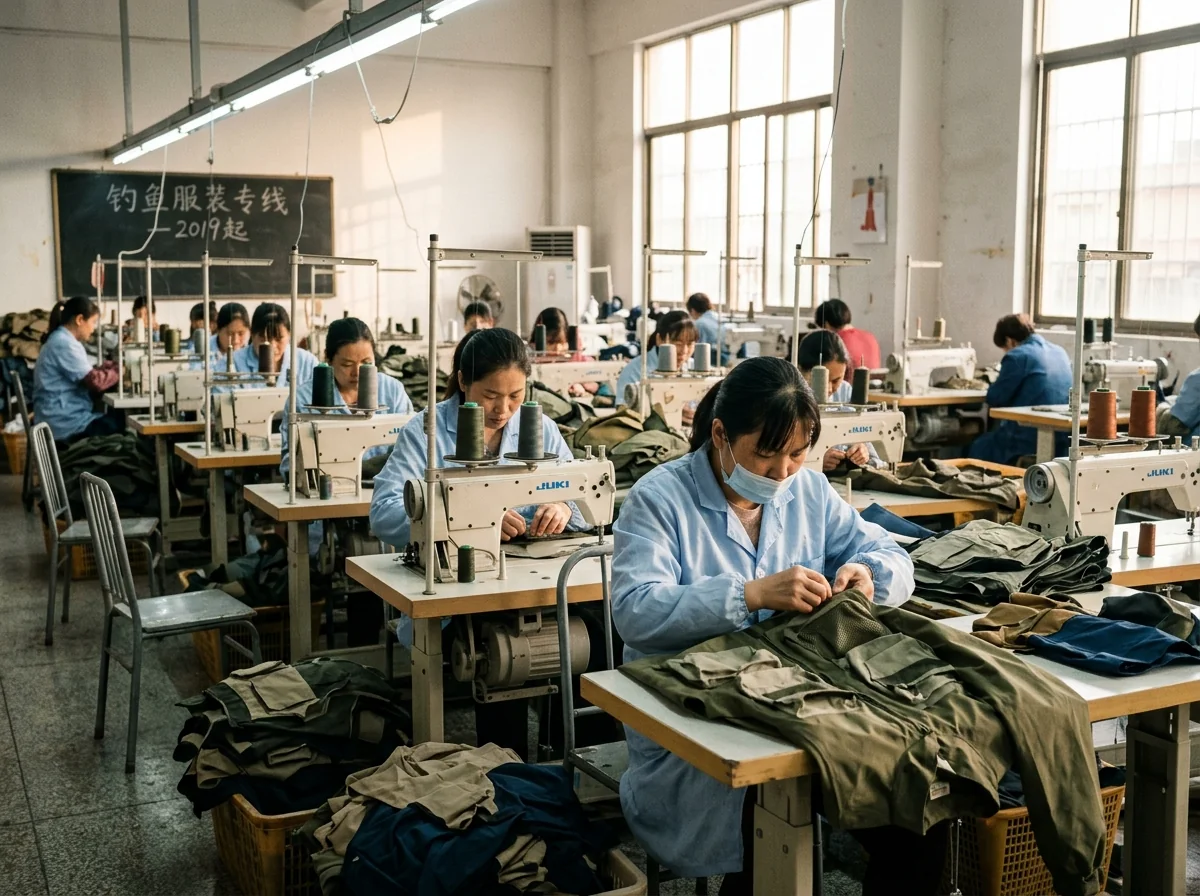
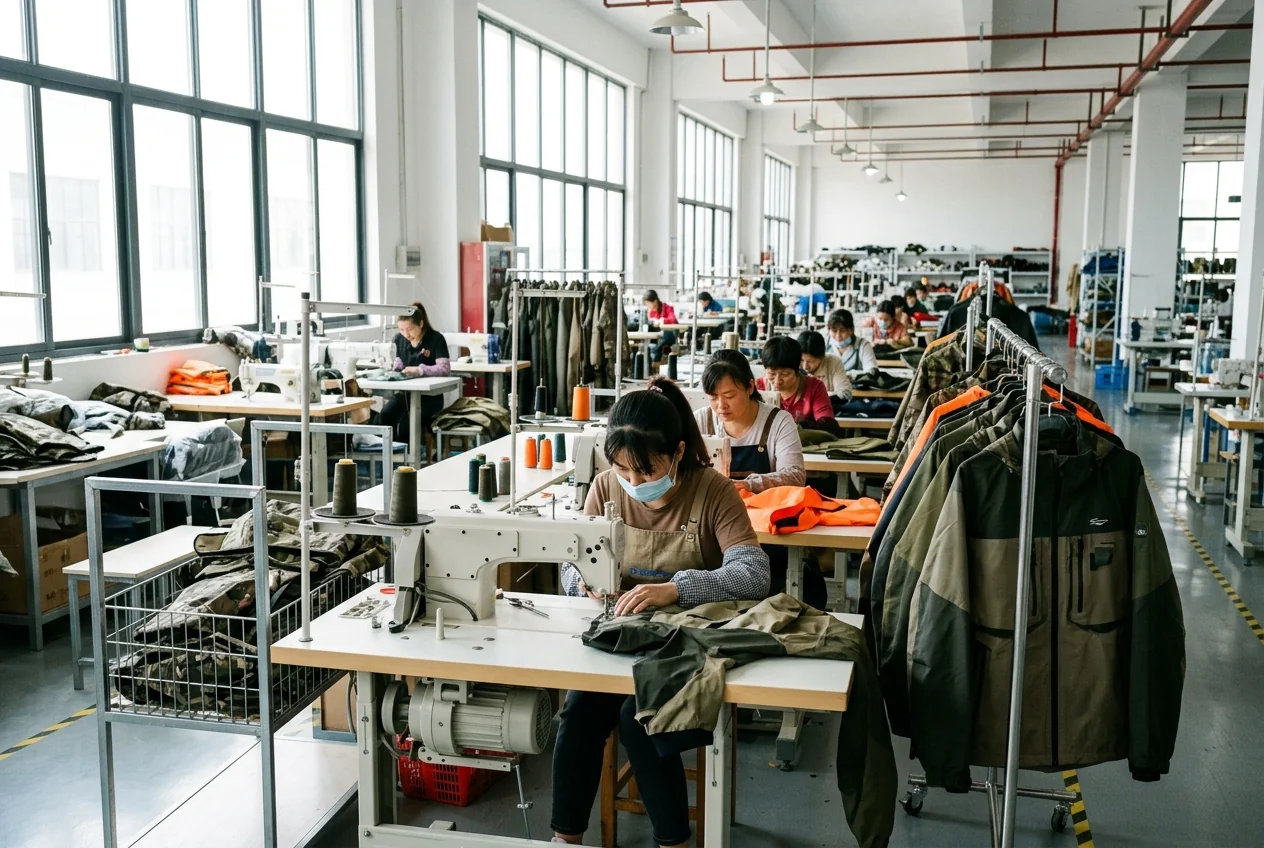
Fishing apparel sewing production line, fishing-only since 2019
2022

Trust infrastructure

Added the in-house sampling room, a colorfastness wash-test bench and a pre-shipment inspection line, and standardized DDP / DDU export so first-time overseas buyers ship without a broker scramble.
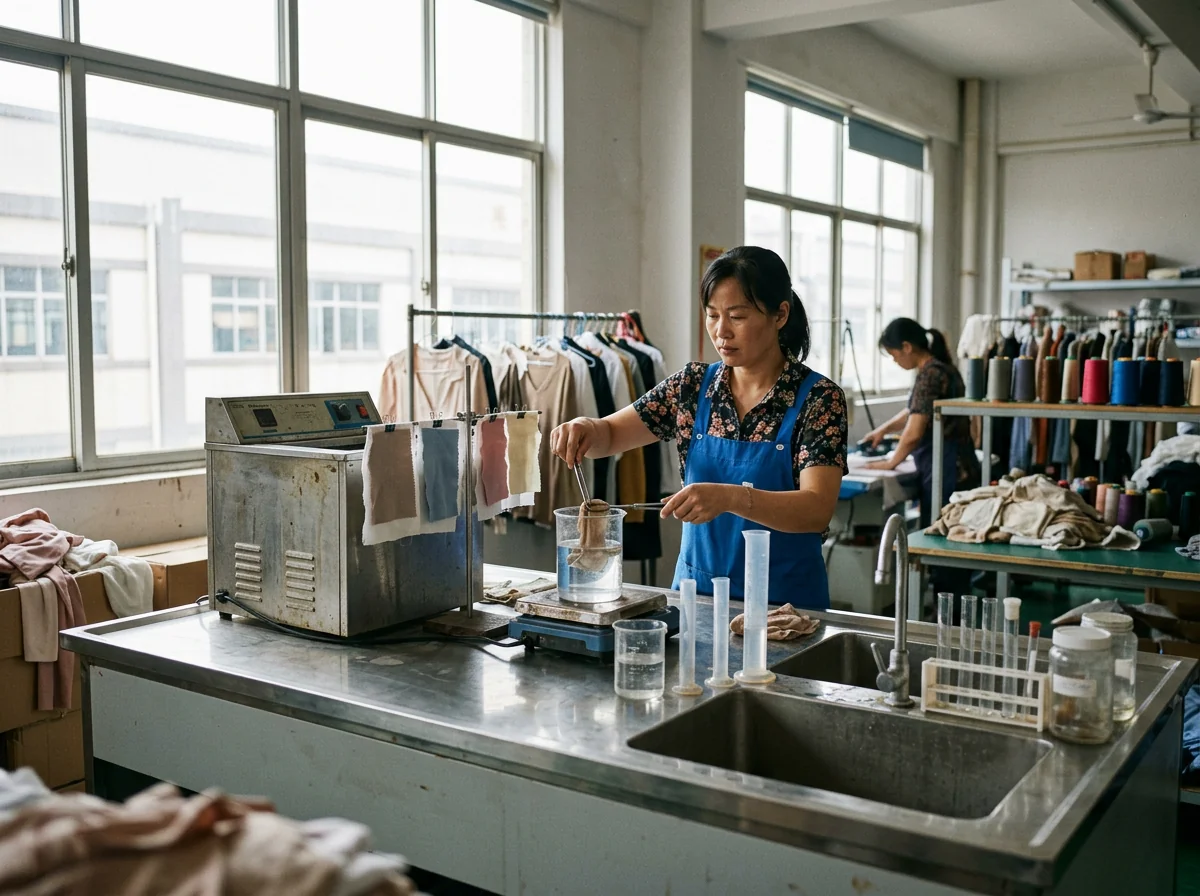
In-house sampling room and colorfastness wash-test bench, 2022
Today

Four ways to order

Taking programs from a first 100-pc capsule to standing multi-batch runs; see the four ordering programs laid out for buyers.
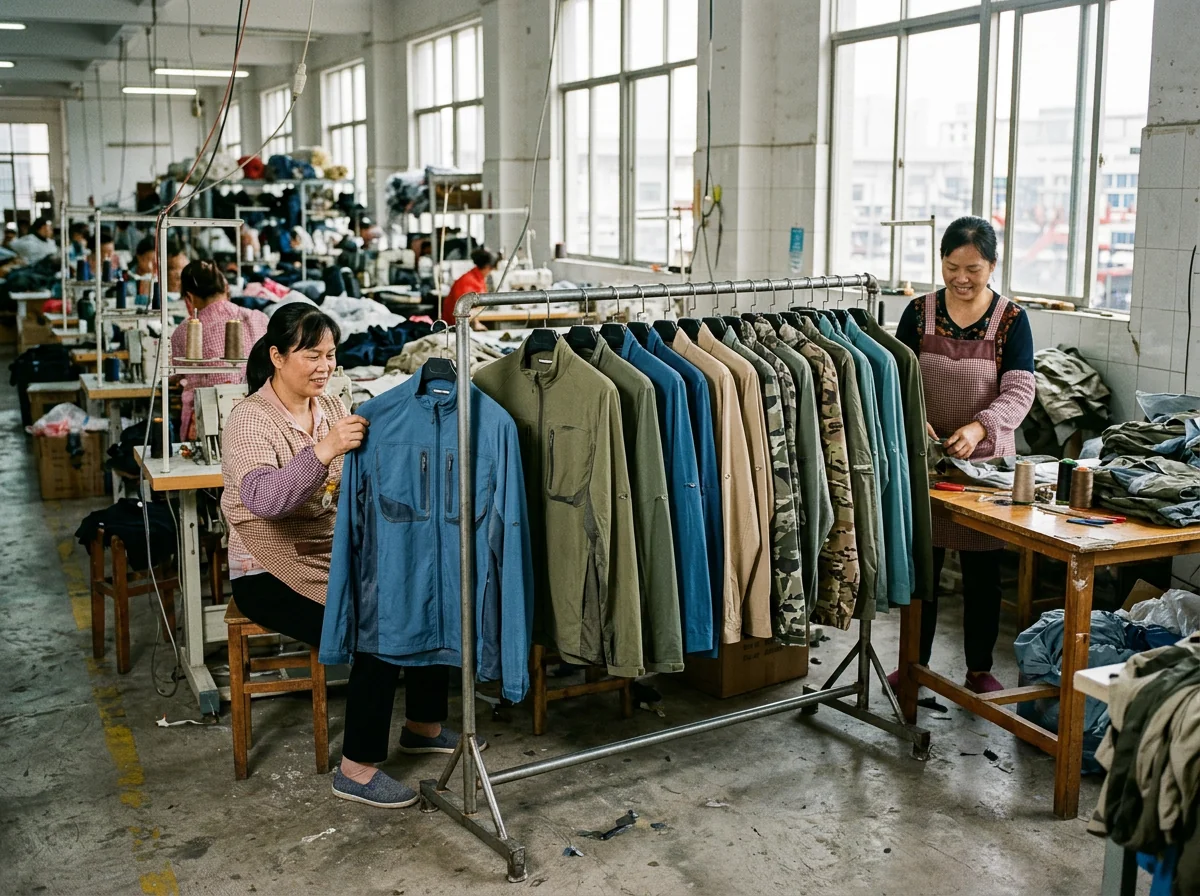
Finished fishing apparel on display today
What Sets This Factory Apart

Four Things a Fishing-Only Factory Does Differently

The operational reasons a single-category floor behaves differently from a generalist supplier — what that focus changes in day-to-day in-house fishing apparel production.

0
Fishing-specific QC line items
0
Logged print recipes
AATCC 183
UPF test method

A fishing-specific pattern library

Not a "we can make anything" table — a standing library of proven, graded blocks.

40+ fishing silhouettes — long-sleeve sun shirt, hooded gaiter shirt, vented tournament jersey, board short, bib, cap — graded and floor-tested, so a program starts from a proven block.

QC line items generalists don't have

The inspection sheet carries fishing-specific checks.

UPF retention (tested to AATCC 183), seam salt-abrasion, print crock on stretch panels, colorfastness to sweat and sun — a generalist sheet never lists them.

A print-recipe library by substrate

Print settings are logged per fabric family, not dialed in on your order.

Sublimation curves, DTF and silicone settings are logged per fabric family, so print sits right on a slick quick-dry or a stretch woven the first time — no test runs billed to your job.

It's all on file — and on the table when you audit

The library, print log and QC checklists are physical binders.

The block-pattern library, print-recipe log and fishing-specific QC checklists are binders you can flip through on a factory visit — bring your tech pack and we'll match it to a block on the spot.
In-House Capabilities

Six Production Stages, Cut to Carton

An order stays on the floor from cut to carton. Each stage carries the machine, the setting and why it decides whether performance apparel holds up on the water.

1
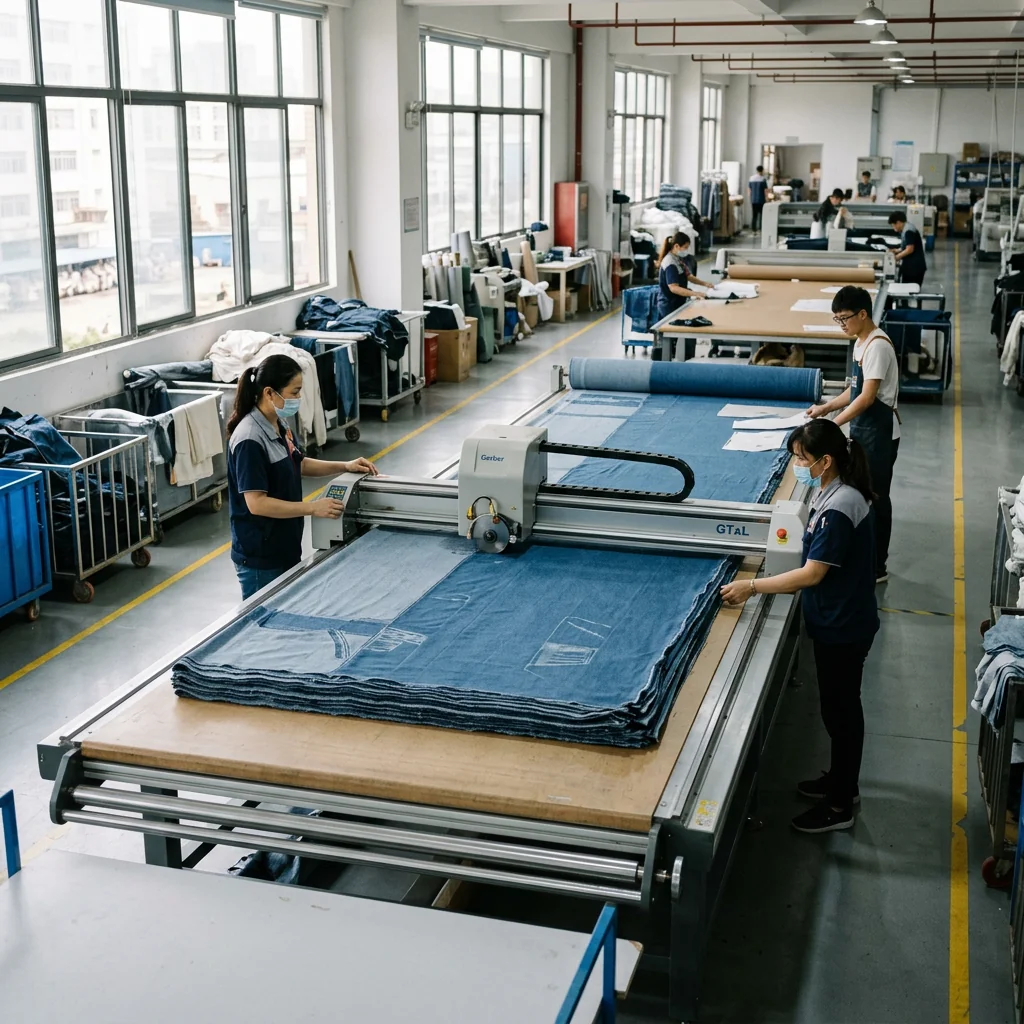
Stage 1 · Cutting

Multi-ply lay & nesting

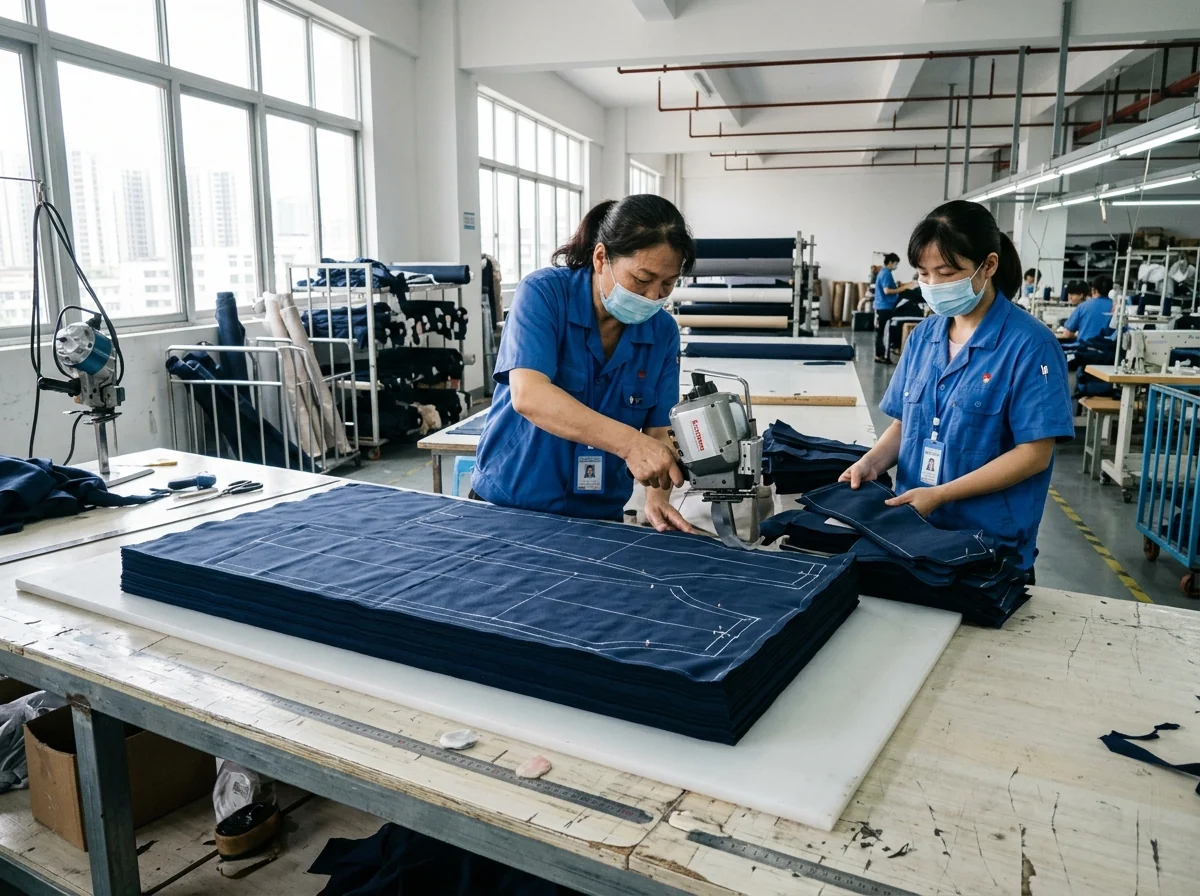
Fabric laid up to ~60 plies, straight-knife / CNC cut on nested markers holding roughly ±1–2 mm. Tight nesting is where performance-fabric yield — and your unit cost — is won.

≤60 plies±1–2 mm nestingCNC / straight-knife
Stage 1 cutting — multi-ply fabric lay on the cutting table
2
Stage 2 · Print

Routed by substrate

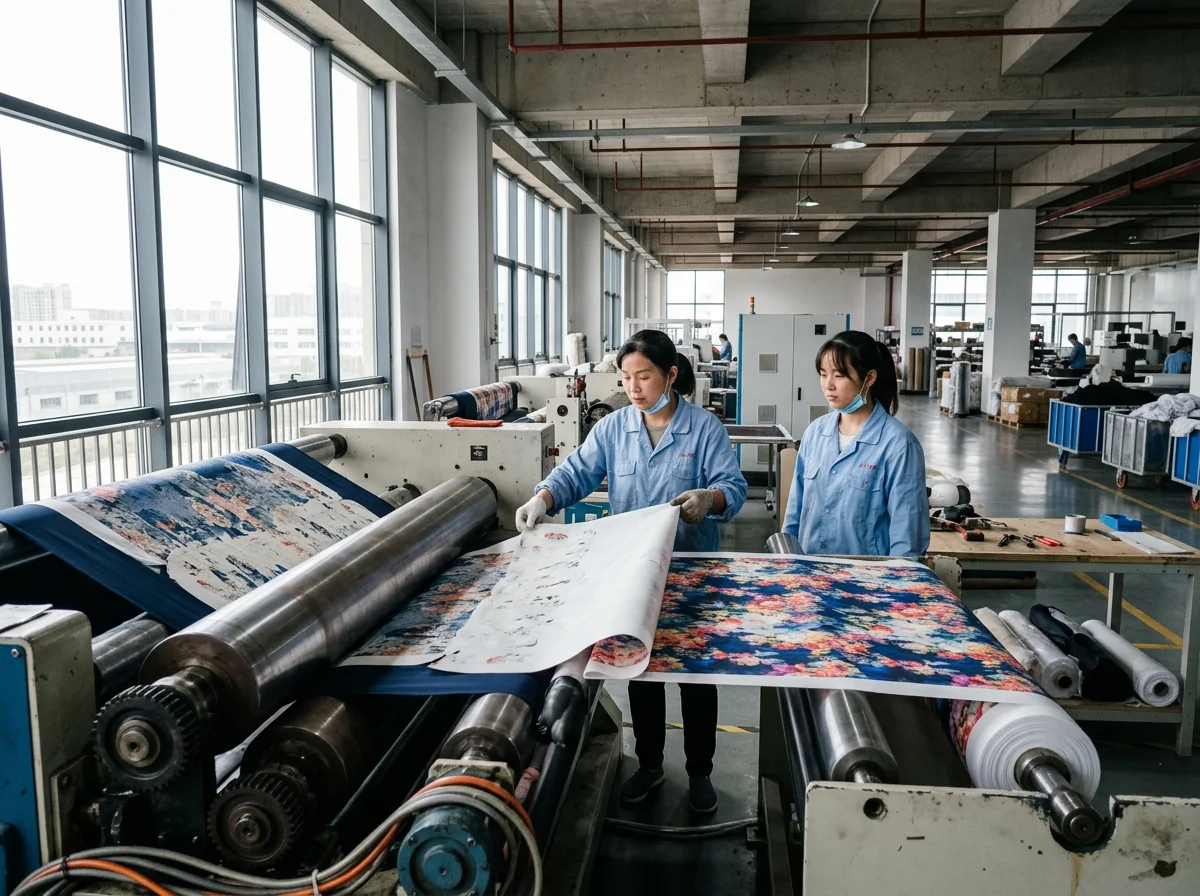
Poly jerseys route to sublimation; cotton, blends and spot color to the DTF + silkscreen bay — the substrate picks the station, and the decorated panel never leaves the floor.

Substrate-routedSublimationDTF + silkscreen bay
Stage 2 print — dye-sublimation transfer coming off the calender
3
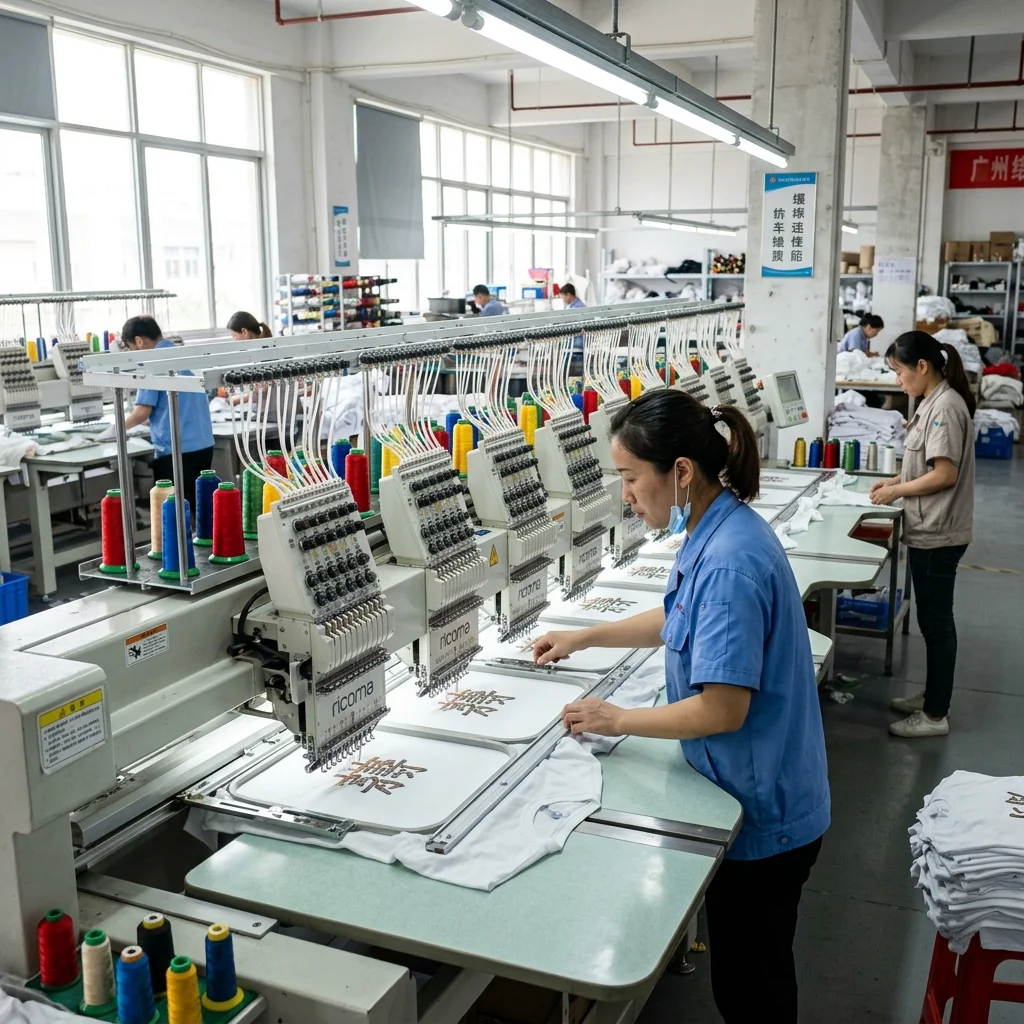
Stage 3 · Embroidery

In the sequence, not out-sourced

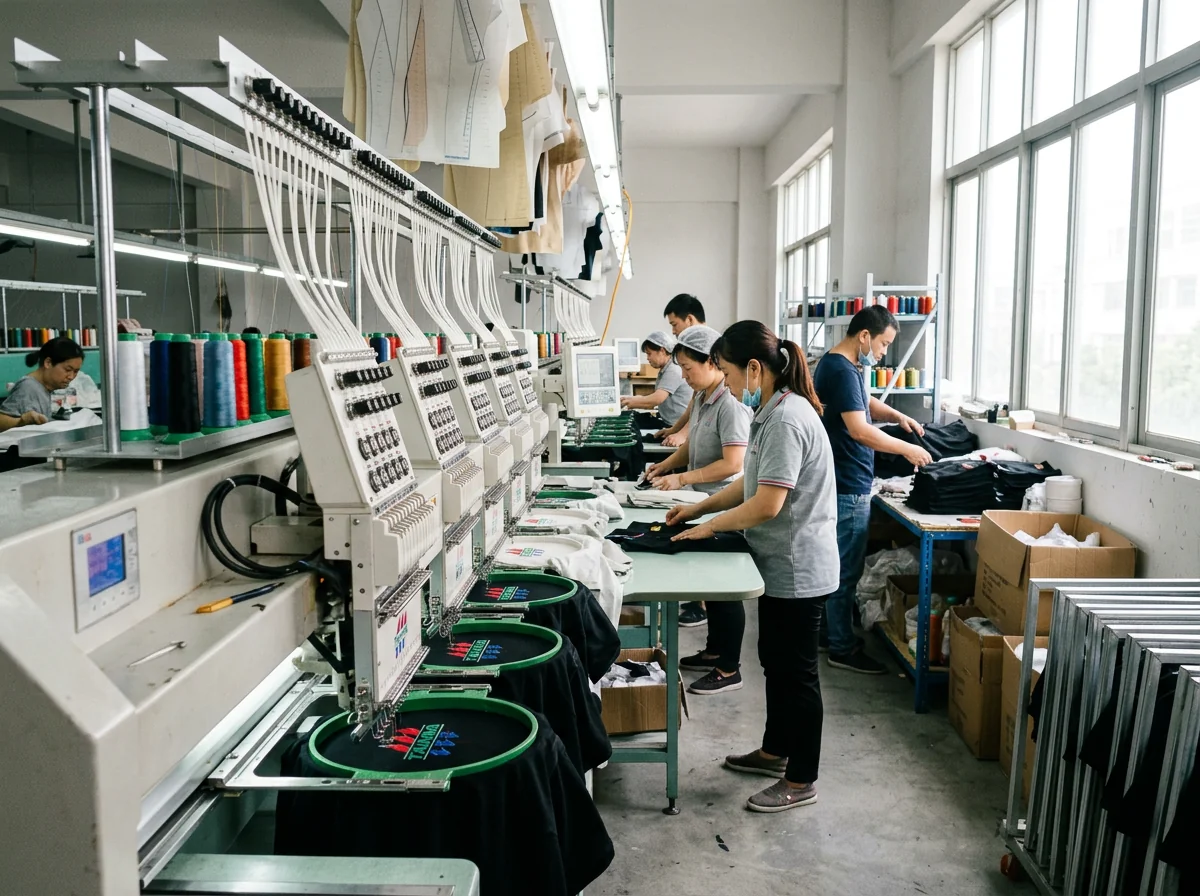
In-house multi-head digitizing and stitch-out, slotted between print and sew so a logo run doesn't ship out to an outside embroiderer and back.

In-house multi-headDigitized in-sequence
Stage 3 embroidery — multi-head machine stitching a logo
4
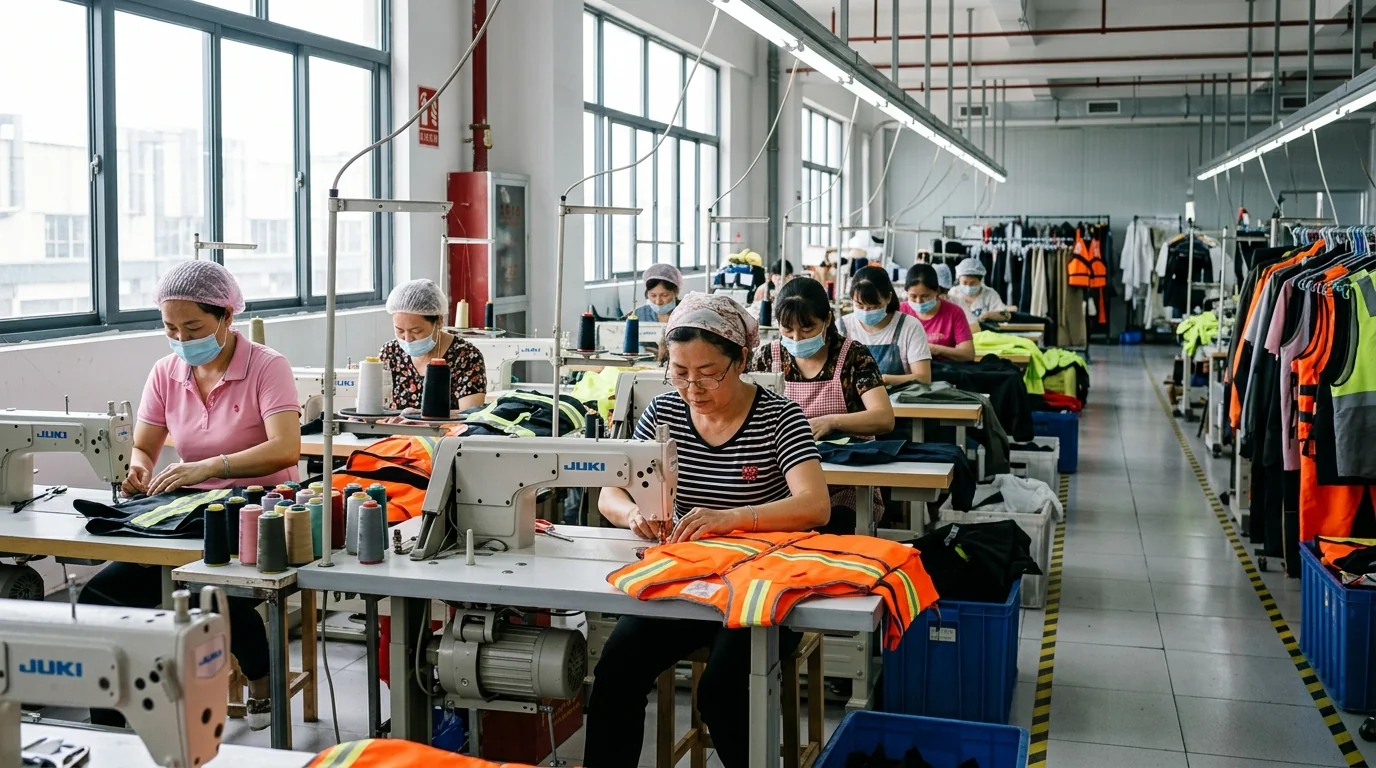
Stage 4 · Sewing

Flat-lock, mandatory here

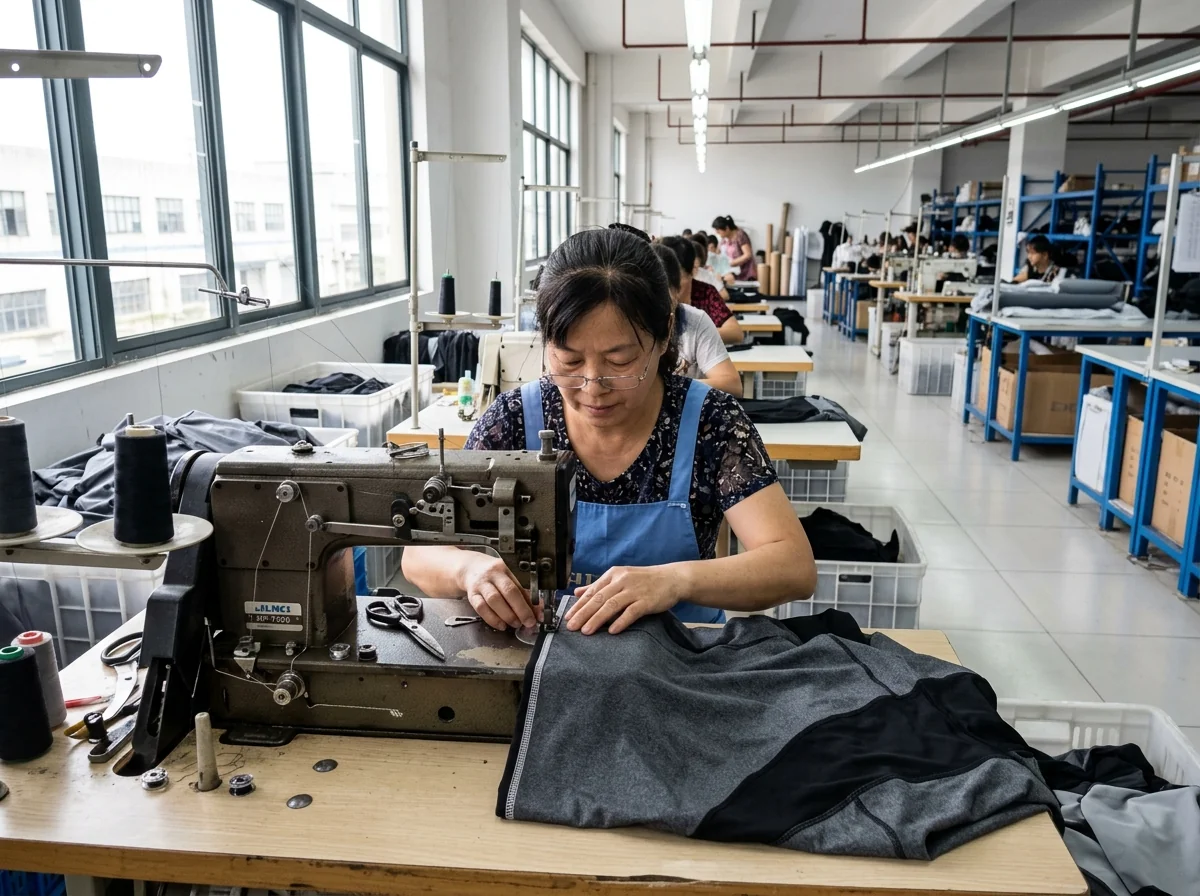
Flat-lock, overlock and coverstitch lines. Flat-lock is non-negotiable on performance apparel: the seam lies flat against skin and stretches and recovers with the fabric instead of popping.

Flat-lockOverlockCoverstitch
Stage 4 sewing — flat-lock seam on a performance panel
5
Stage 5 · Quality

A checklist, not a glance

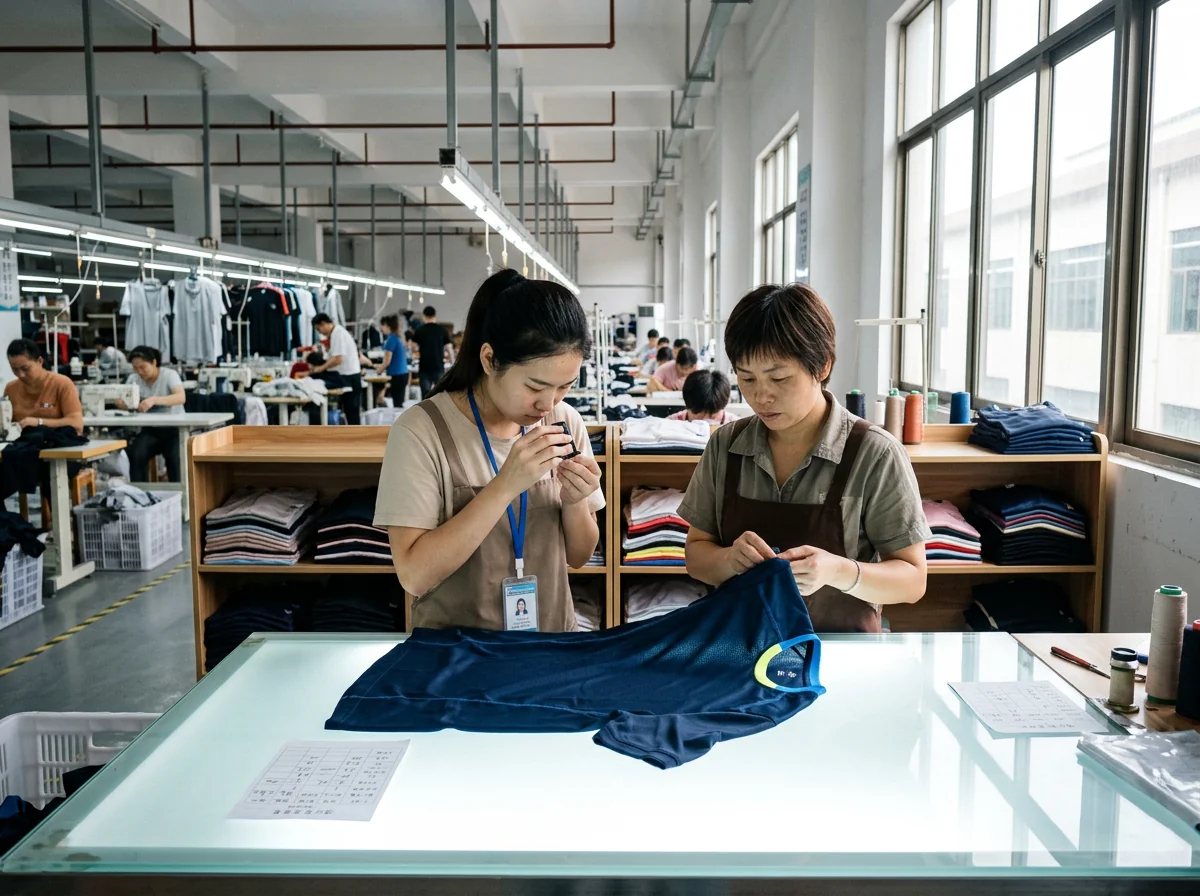
Fabric intake, in-line stitch checks, a colorfastness wash test, then a pre-shipment sign-off with a photo report — the full inspection standard is detailed under quality & workmanship.

Colorfastness washPhoto report vs sample
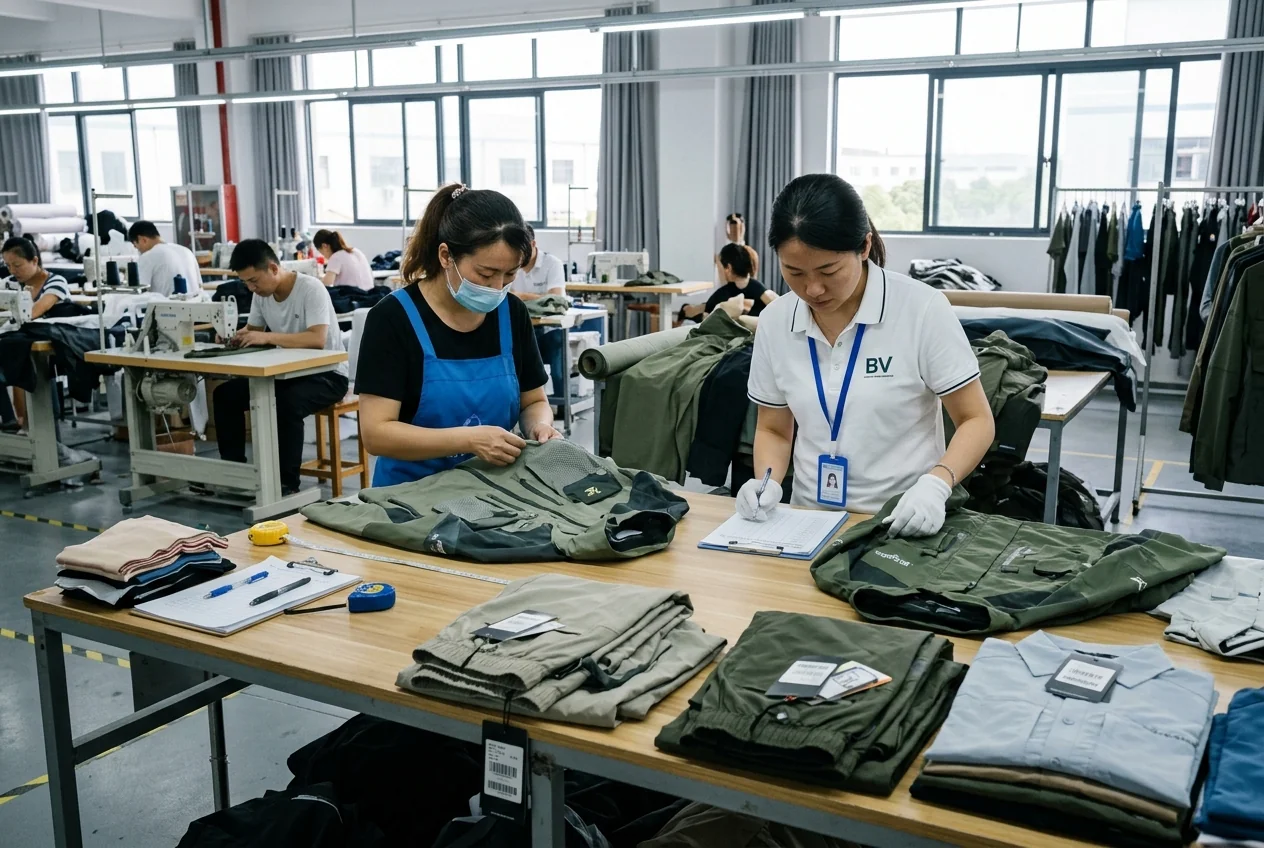
Stage 5 quality — garments checked on a lit inspection table
6
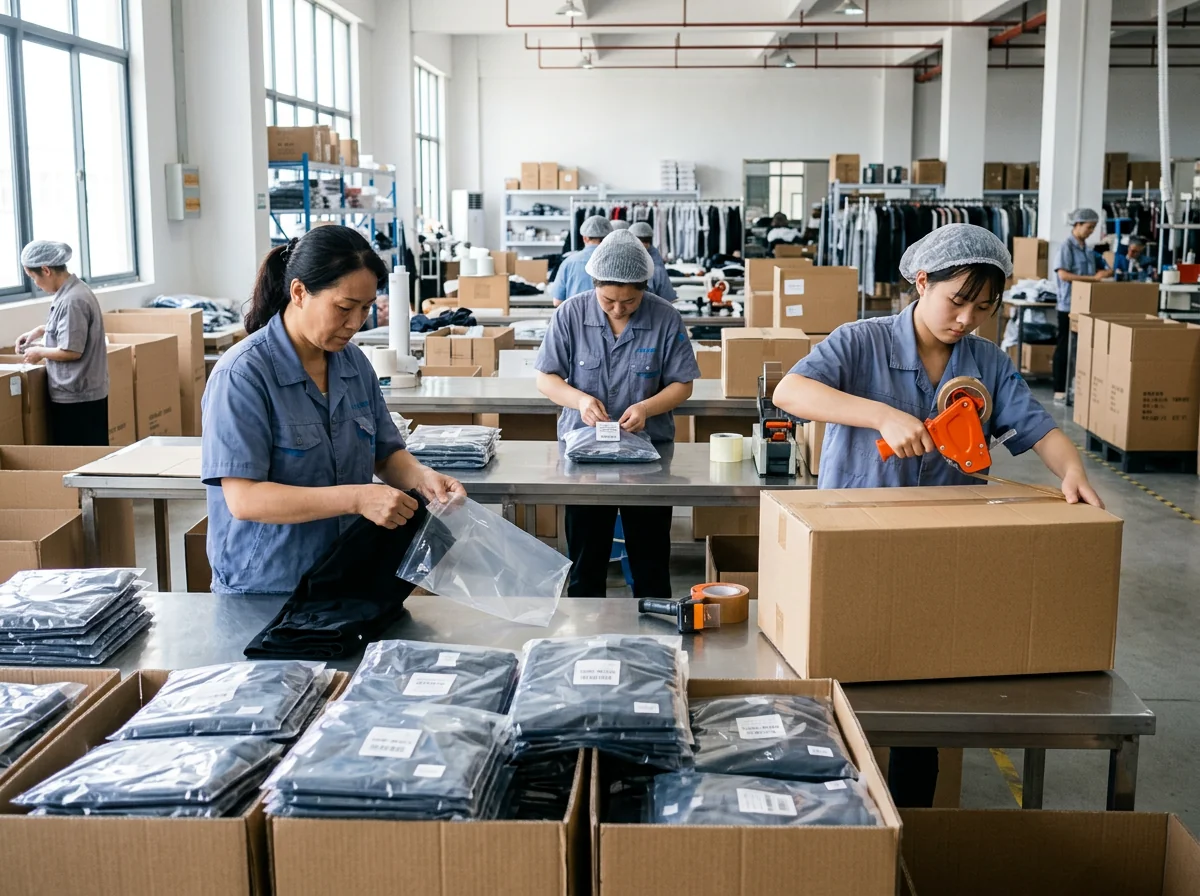
Stage 6 · Packing

Shelf / FBA-ready

Poly bags, hangtags, size stickers, FNSKU / UPC and master cartons applied to your spec, so freight and 3PL intake need no re-work.

FNSKU / UPCHangtags & poly bagsMaster cartons
Stage 6 packing — poly-bagging, labeling and carton-taping

The stage-by-stage manufacturing breakdown lives under manufacturing services.

Equipment & Production Lines

The Equipment Behind the Six Stages

The kit bolted to the floor, by count and configuration. (Factory-stated.)

Fishing apparel sewing production lines on the floor
Automatic fabric spreader and cutting table
Multi-head embroidery machine
6 sewing lines on the floor
EquipmentCountConfiguration
Cutting1 + 1One auto spreader feeds a single CNC / straight-knife cutting head — no hand-lay bottleneck ahead of the lines.
Sublimation print2 + 1Two ~1.9 m wide-format printers feed one rotary calender press for continuous-roll transfer; a DTF + silkscreen bay sits alongside.
Embroidery2Two 6-head machines (12 heads total) with an in-house digitizing station.
Sewing lines6~12 stations per line, mixed flat-lock / overlock / coverstitch so a garment doesn't hop lines mid-build.
QC2 +Two lit inspection stations plus the wash-test bench for in-house colorfastness and UPF-retention pulls.
Packing2Two poly-bag / label / carton stations close out each run.

Factory-stated count & configuration — the process logic behind each stage is under manufacturing services.

The Team

The Six Roles Behind Your Order

A new order doesn't land on a factory floor — it lands on a desk. Here's each specialist, what they do to your file and when they reach out; your named lead is in the row below.

Ivy Chen, Export Sales Lead
Sales & Sourcing · Your First Contact

Ivy Chen — Export Sales Lead

Your first contact: sourcing consult, MOQ and program structure before a PM takes the handoff. She sets the scope so nothing is re-quoted mid-project.

Direct by email & WhatsApp
Product Development

Pattern Engineers

Turn your reference garment or tech pack into a graded, production-ready pattern and spec sheet. You hear from them when the first pattern and sample spec are ready for your comment.

Account Ownership

Project Managers

Your single English-speaking contact from first sample to reorder. They reach out at every gate — sample, approval, pre-production, pre-shipment — so you're never chasing status.

Quality Control

QC Specialists

Own the inspection sheet and shoot the photo record. You get their report before the goods are cleared to ship, not after.

Scheduling

Production Coordinators

Sequence your order against the floor calendar and flag any shift early. They surface a slippage at the milestone, while there's still time to protect your date.

EST. 2013
Mr. Lin, founder of the fishing apparel factory
Founder · Since 2013

Mr. Lin — Founder

Opened the workshop in 2013 and narrowed it to fishing apparel only by 2019 — the single-category focus every desk here still runs on.

Customer service team on WhatsApp support
After-Sales

Customer Service

Time-zone-aware WhatsApp and email for questions, issues and next-season planning. They stay on once production is done.

The Factory at a Glance

The Fishing Apparel Manufacturer at a Glance

The scope of the factory in numbers — floor size, lines and reach. For output capacity and AQL, see manufacturing services.

Since 2013
Factory founded
2019
Went fishing apparel only
~0
Production floor
0
Sewing lines on the floor
~0
People across pattern, sampling, sewing & QC
0
Buyer regions shipped, DDP / DDU
How We Work

The Principles the Factory Runs On

Four commitments, each with the concrete thing it changes on your order — not a wall motto.

A repeat partner is worth more than a hundred one-shot orders — so nothing gets priced, or proofed, twice.

— the principle the floor runs on

Long-term over one-off

A repeat partner is worth more than a hundred one-shot orders — so we price and schedule with the reorder in mind, and quote setup once rather than re-charging it on every repeat.

Sampling retires risk

Every sample should kill an assumption before bulk: a wrong seam finish caught at sampling costs one garment; the same finish in a 3,000-pc carton costs the carton. Request a sample before you commit.

Transparent even when it's bad

If the news isn't perfect it goes out early — a slipped date is fixable at day 5, not day 25 — and a confirmed defect is remade at our cost, not quietly shipped.

Consistency is a promise, not luck

Your pattern, grading, print recipe and fabric lot are logged to your style, so a reorder is built to match the first on shelf and online — the lot mechanism is detailed under quality & workmanship.

Global Reach

Where the Factory's Fishing Apparel Ships

Programs run for buyers across six regions — each with its own typical route, terms and buyer shape. DDP or DDU, freight-forwarder-friendly.

Tap or hover a pin for the typical route, terms and buyer shape in that region.

Due Diligence

Book a Fishing Apparel Factory Audit Before You Commit

Serious sourcing shouldn't run on photos alone. Audit the workshop in Guangzhou in person, or on a live video walk-through, before the first PO.

What you'll see

The cutting room, the print / sublimation bay, the sewing lines, the QC bench and the fabric warehouse, in the order your order moves through them.

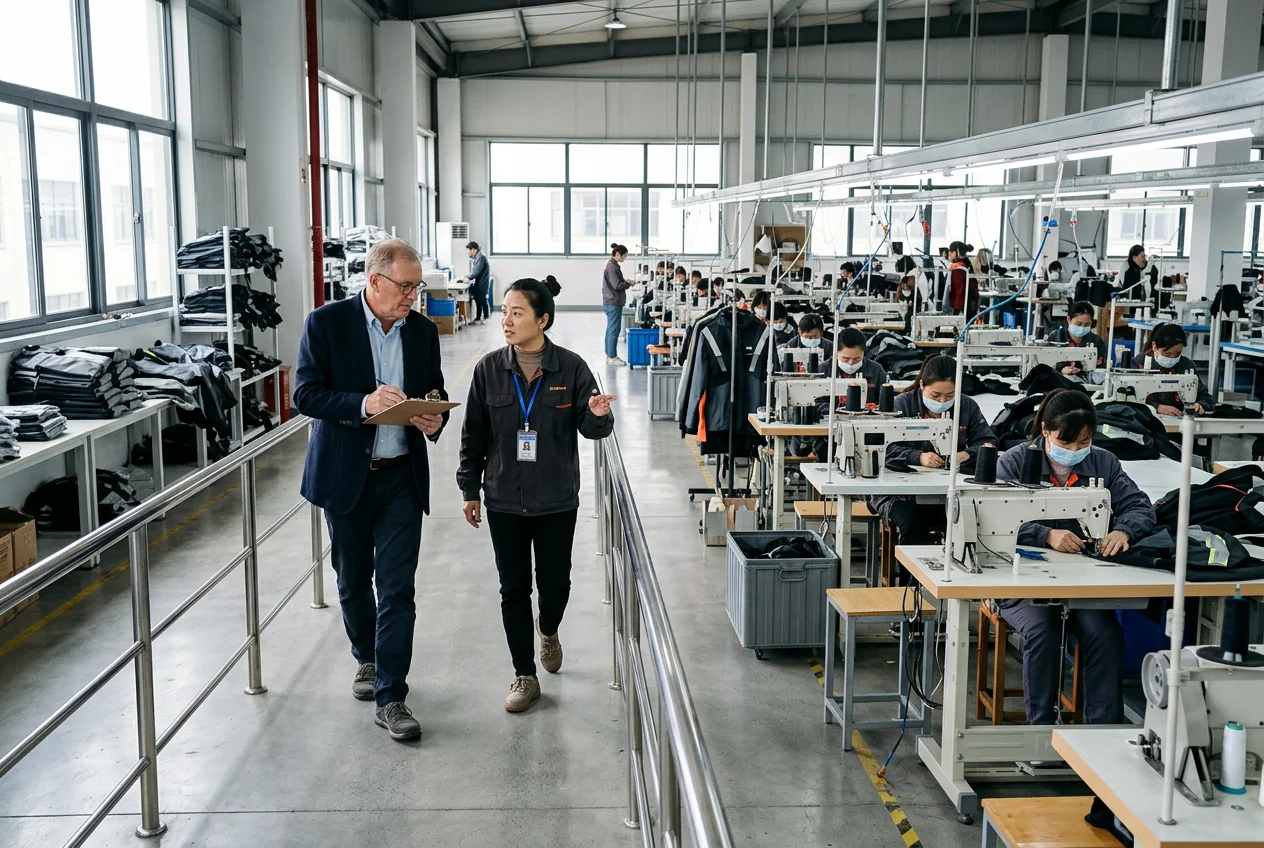
Buyer walking the fishing apparel factory floor on an in-person audit

In person

Book with ~48 hours' notice; a floor walk runs ~2–3 hours, with airport pick-up from Guangzhou Baiyun (CAN) on request. Send your product type and rough quantities ahead so the right samples are on the table.

Book In-Person Audit
Live video walk-through of the fishing apparel factory on a call

Live video walk-through

Can't travel? A ~30–45-minute WhatsApp or Zoom call, camera on — call the station ("show me the flat-lock line") and we point it there.

Schedule Video Walk
QC bench where your own inspector or SGS / BV can audit fishing apparel

Your own inspector · SGS / BV

On compliance, honestly: we don't claim certificates we don't hold; we open the line to your own inspector or an accredited lab (SGS / BV) and let you audit against your market's standard.

Bring Your Inspector

What you leave with

A redacted sample QC report and a production-schedule screenshot from a live order, so you leave with paperwork, not just an impression.

Contact the Factory

Contact FishingApparelFactory Directly

Reach the workshop by email, phone, WhatsApp or on-site visit — we reply within 24 hours in plain English.

Your information stays confidential. We do not share your data.