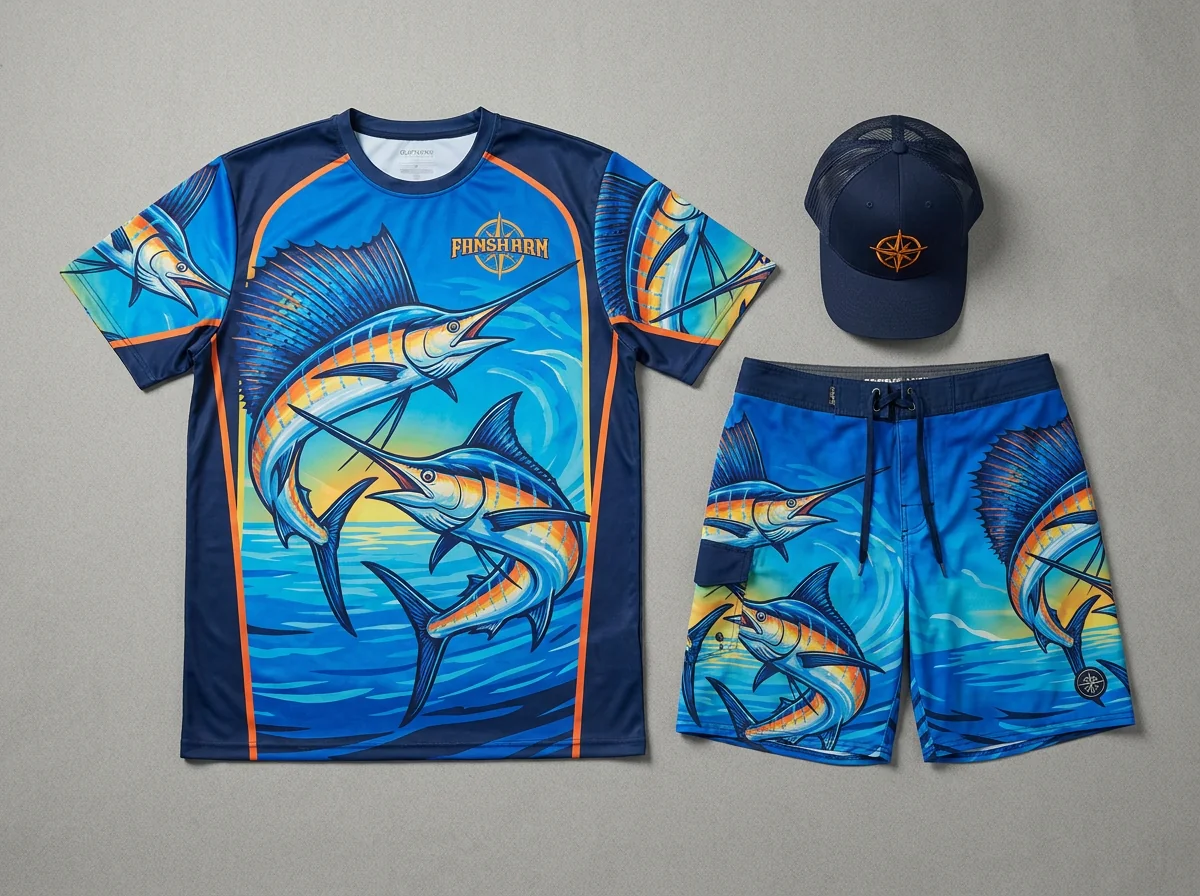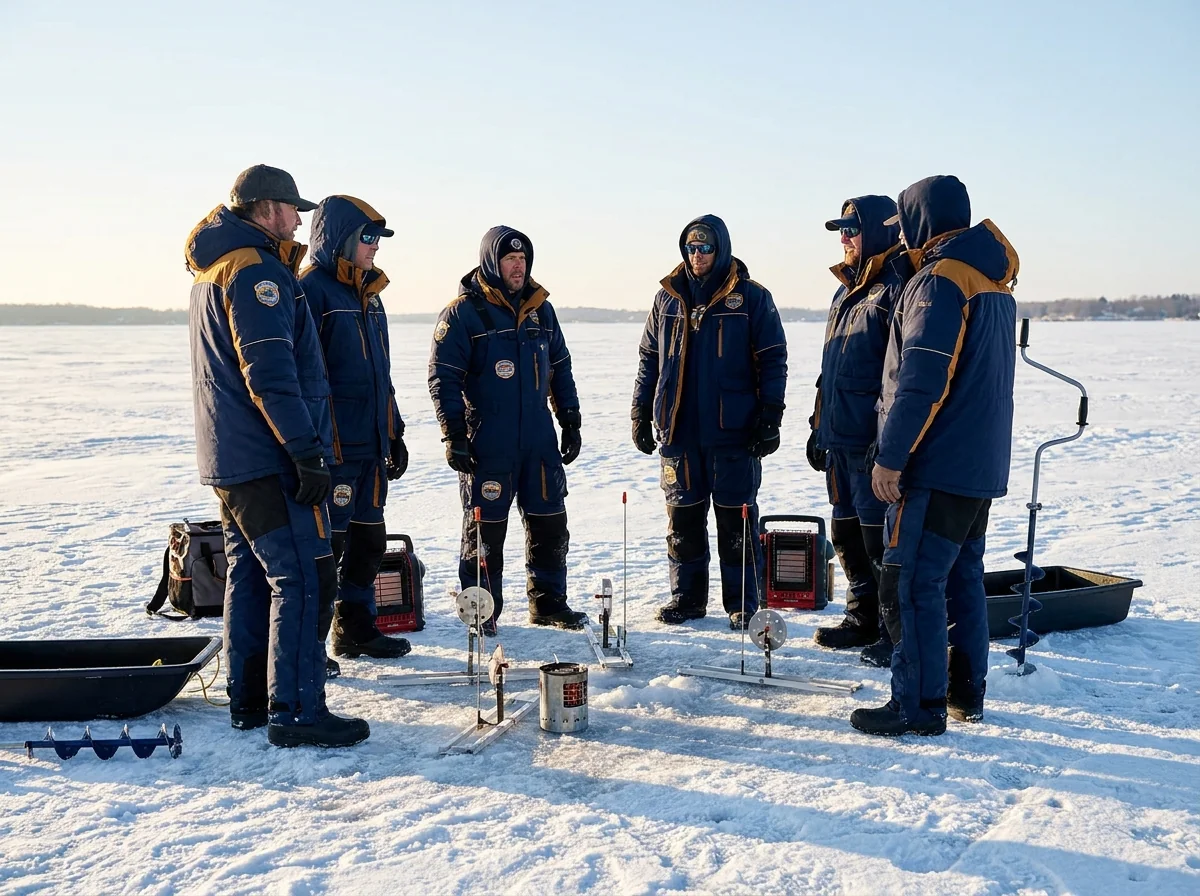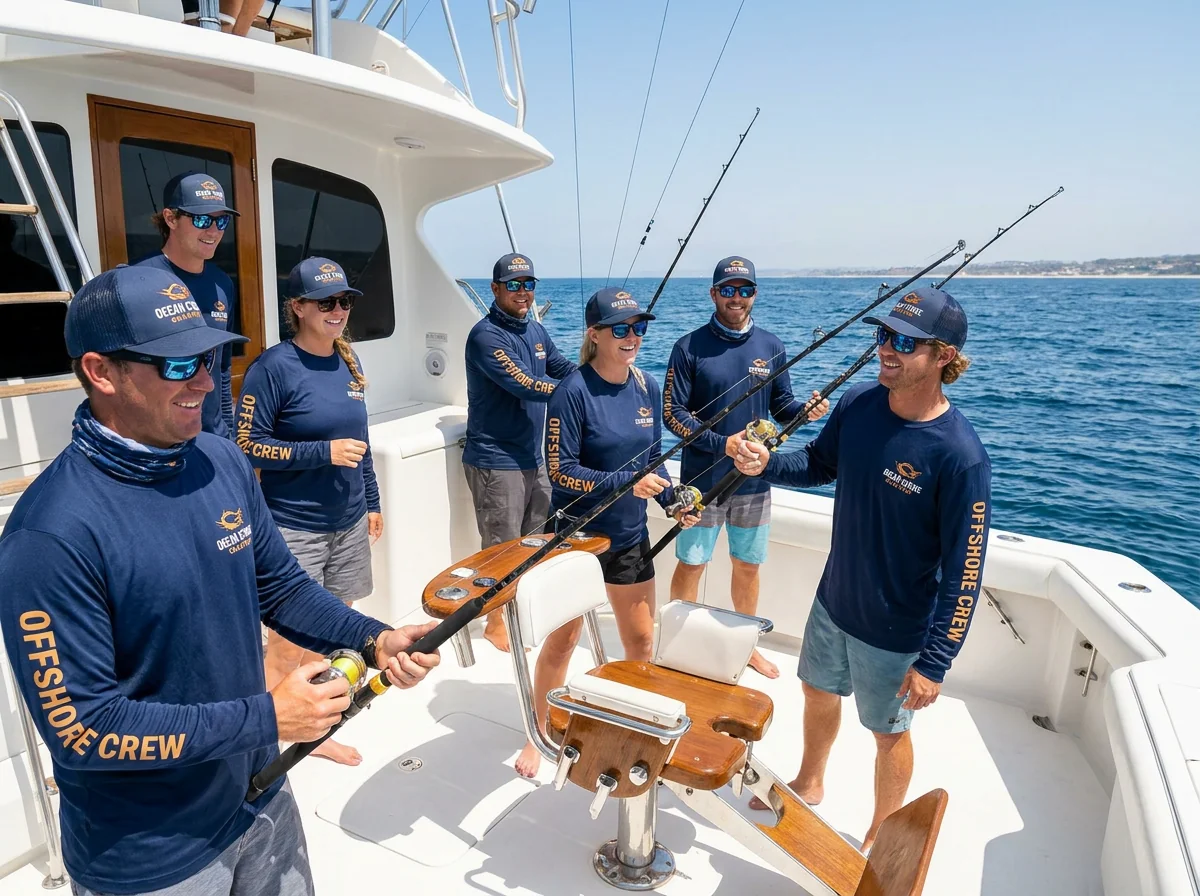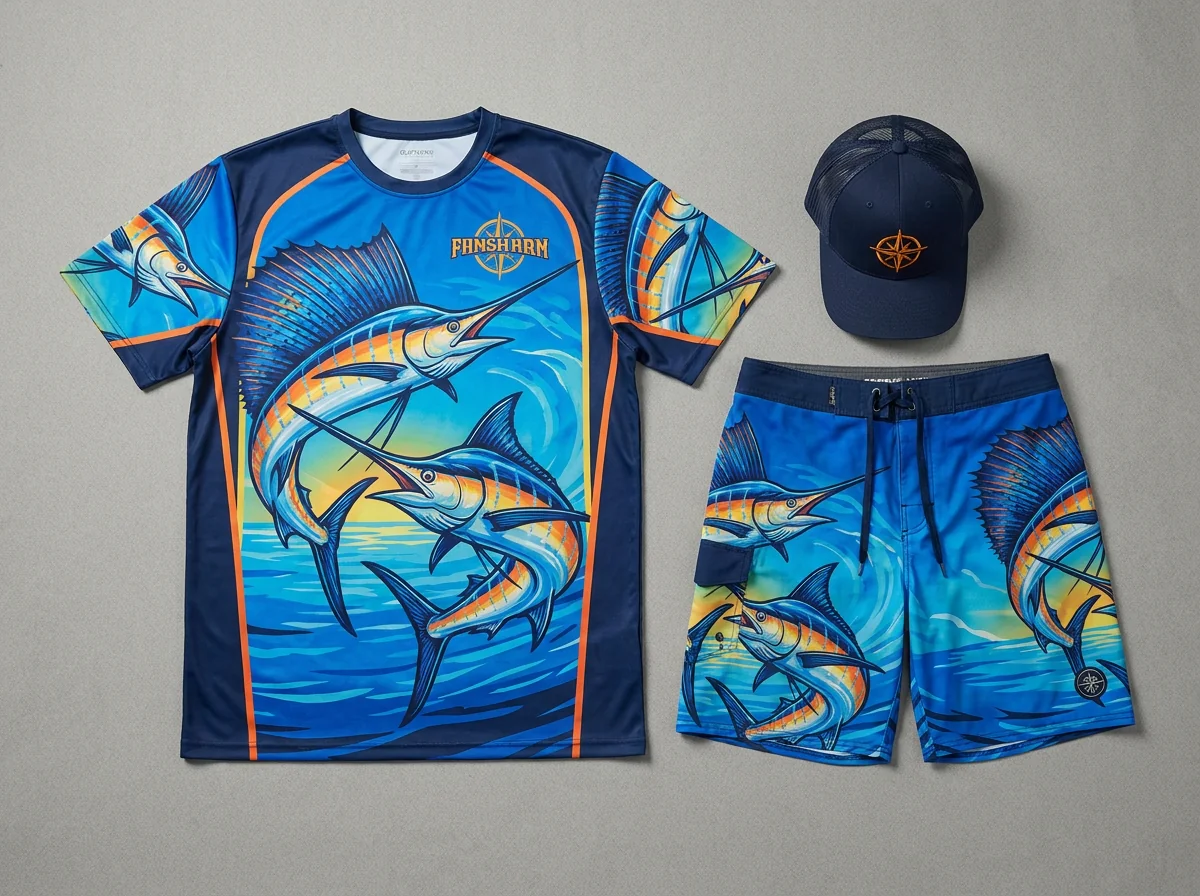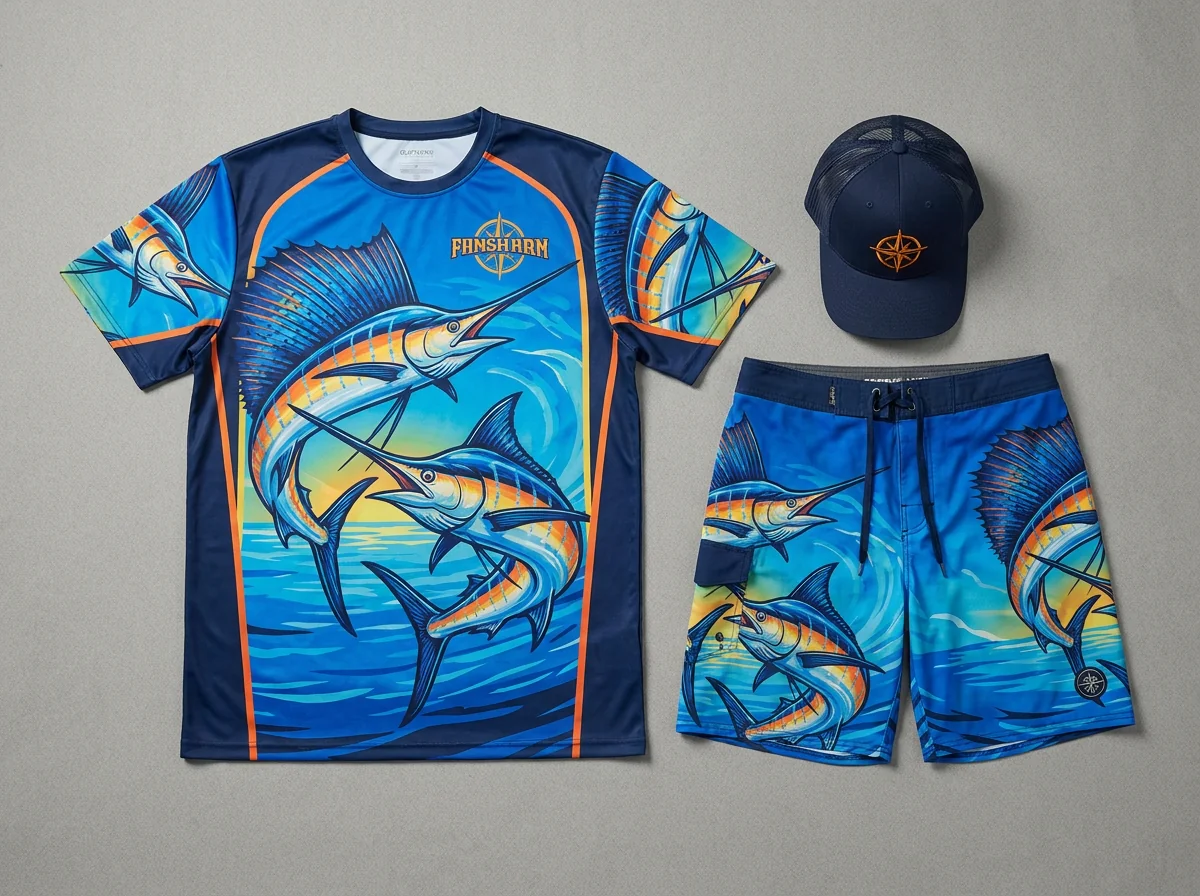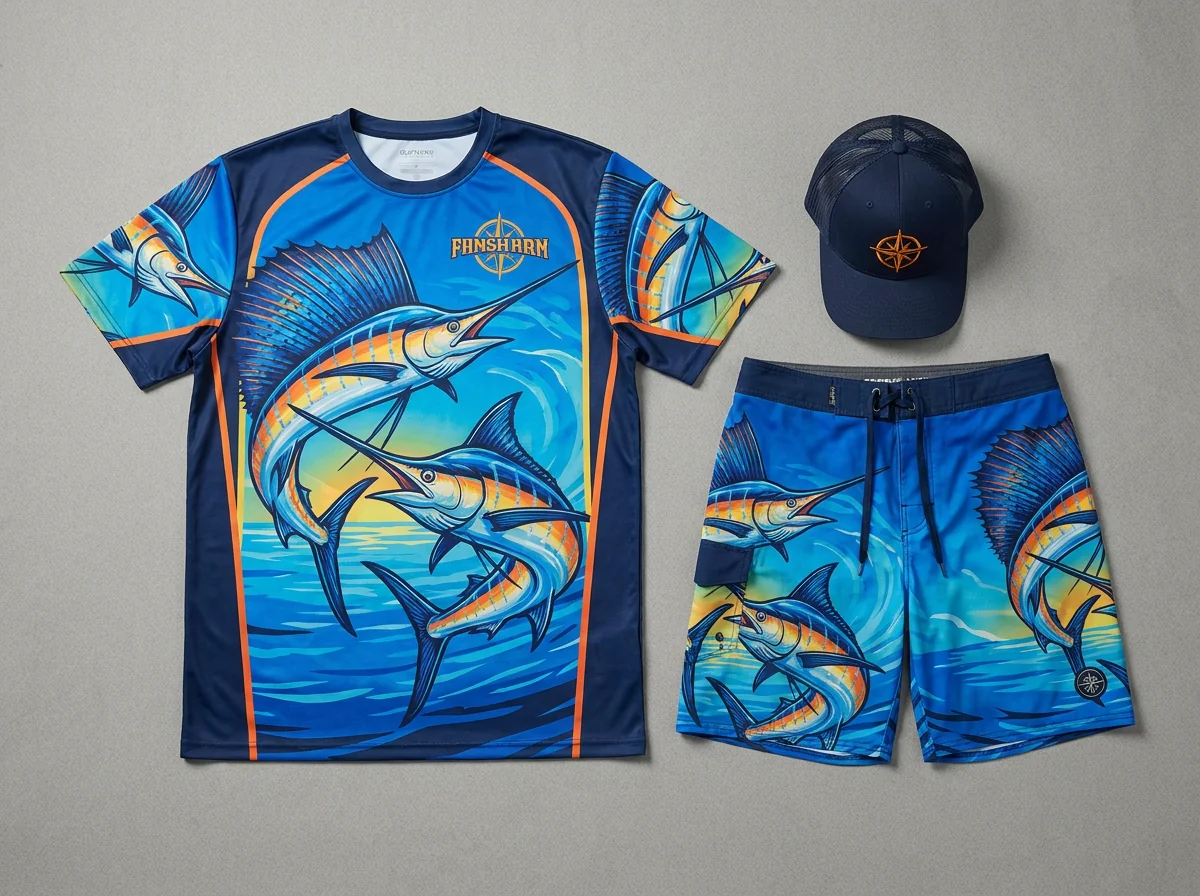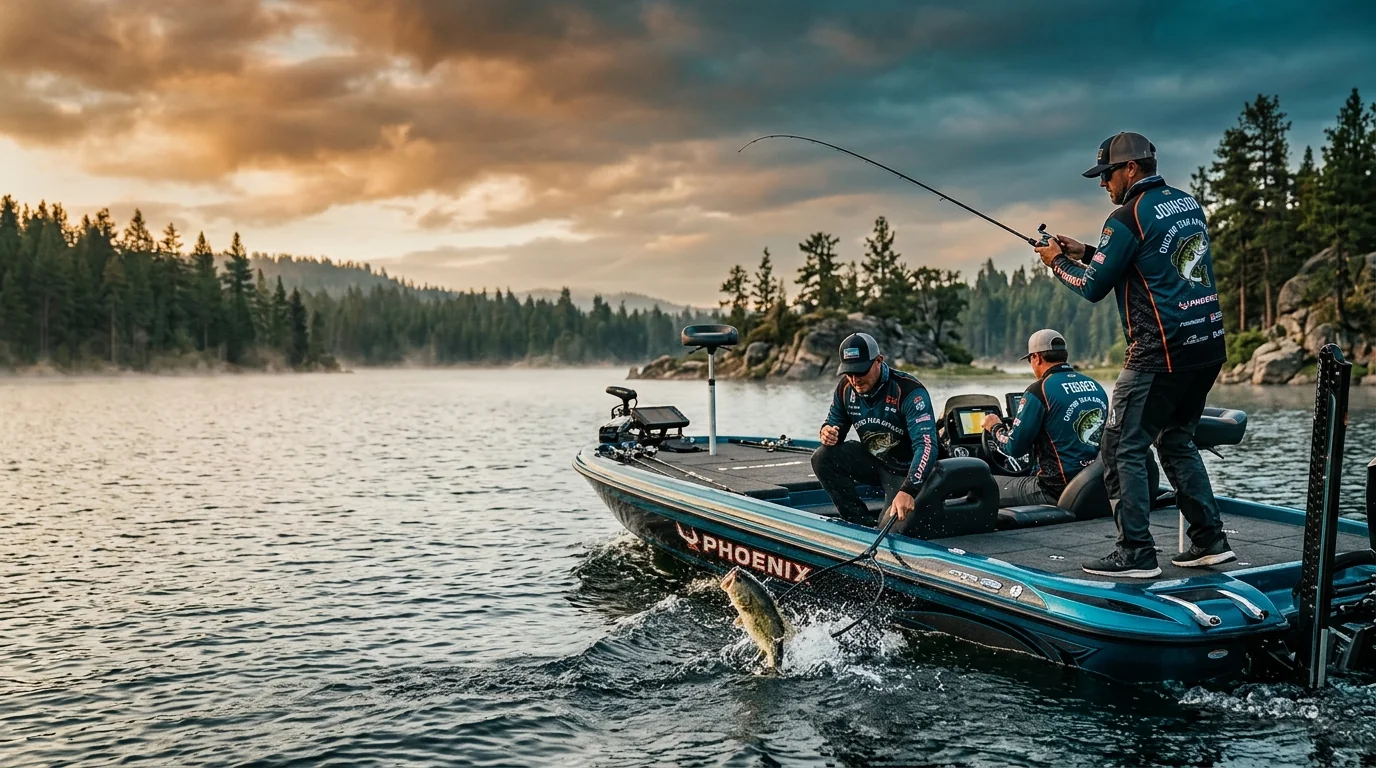
Full-sublimation jerseys, sun hoodies, hats and gaiters for tournaments, series and standing teams — one locked colorway with sponsor panels and per-athlete numbers, built so a whole roster matches on camera, from a fishing-only factory and from 100 pcs per style.
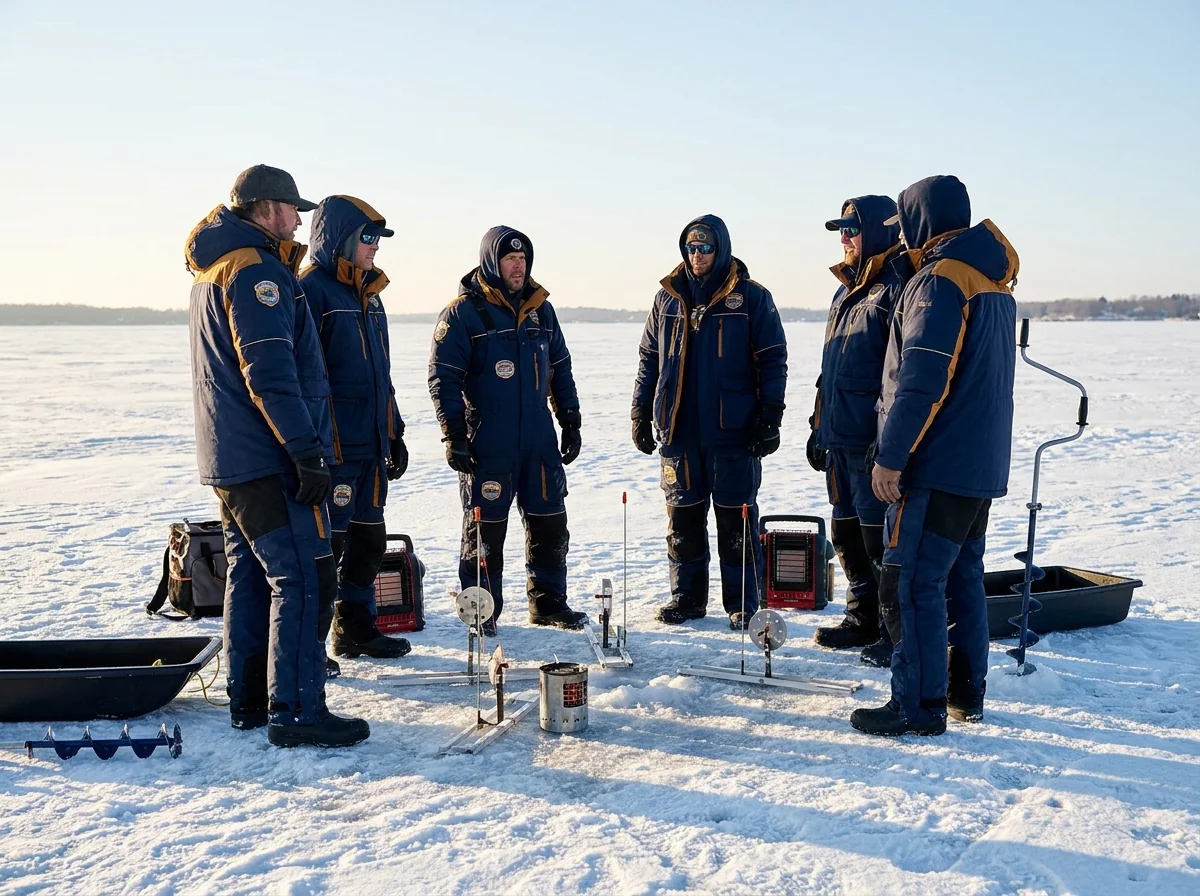
Part of our custom fishing shirts range →Six kinds of program come through the door — different rosters, different sponsor rules, different dates. What stays the same is one locked build and a whole roster that matches. (This is who orders; how any order is structured is on the home page.)

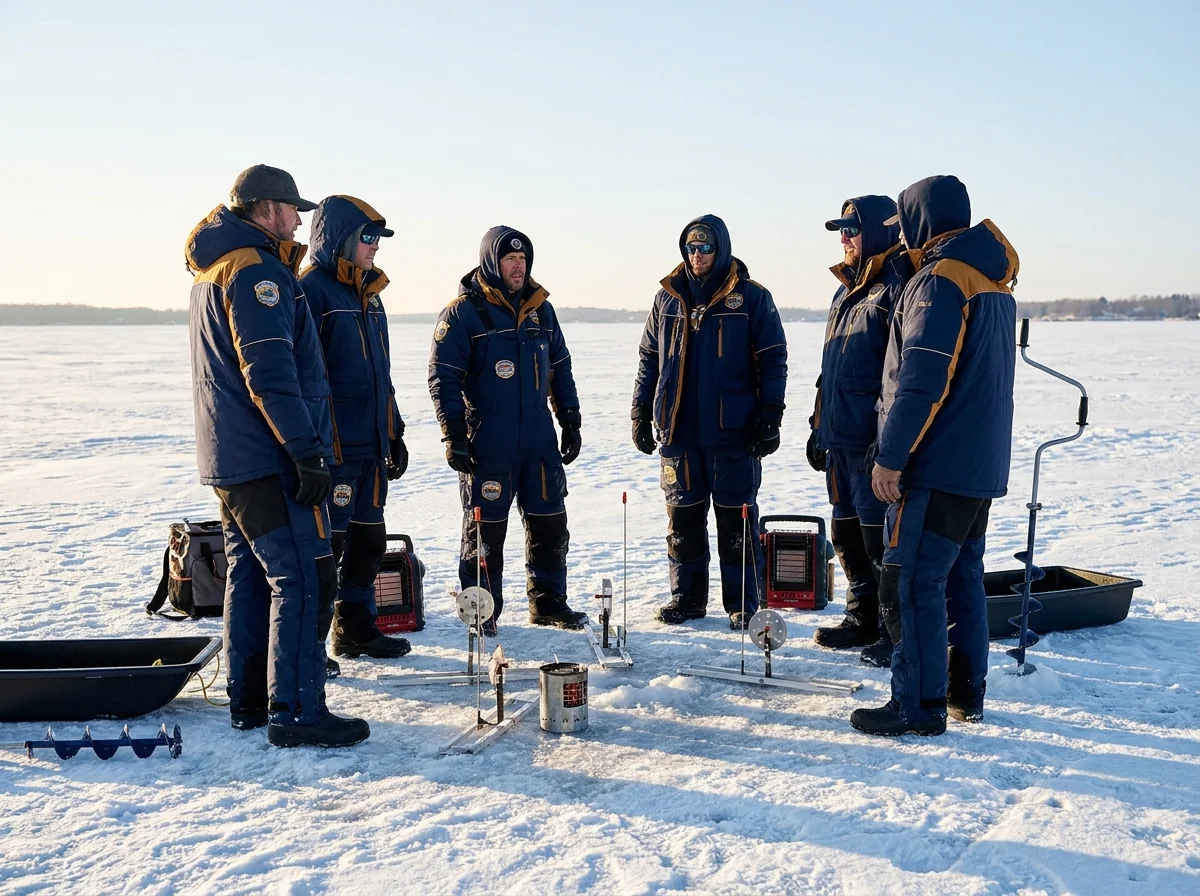
An organizing committee outfitting anglers, staff and volunteers for one weekend, plus a sponsor set for the title backers. They order: sponsor-panel jerseys, dated to weigh-in day.

A circuit that runs the same look across several events over a season, where stop three has to match stop one. They order: a repeat-locked jersey build so every stop ships against the same reference.

A club or pro team with a fixed roster and a season kit. They order: a jerseys-hats-gaiters kit with per-member numbers, held on file for reorders.

A school or junior program on a budget and a size run from small to adult. They order: graded jerseys with names and numbers, mixed to hit the minimum across a mixed roster.

A brand backing a team or event that needs its logo carried across the whole roster, identically. They order: sponsor-panel jerseys with the brand color held across every piece.

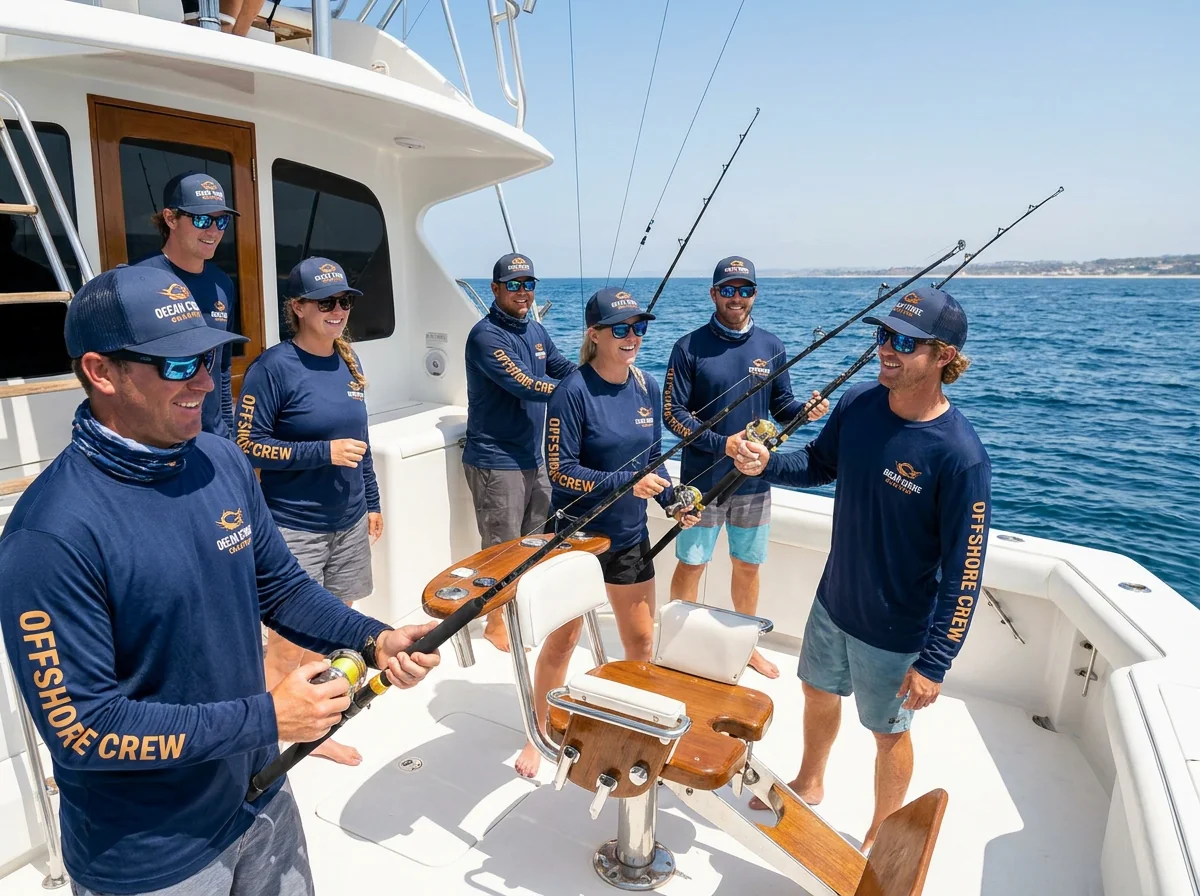
A crew fishing a series who also sell a matching guest or retail run. They order: crew kit plus a resale line, with mid-season top-ups for new crew. Charter fleet uniforms.
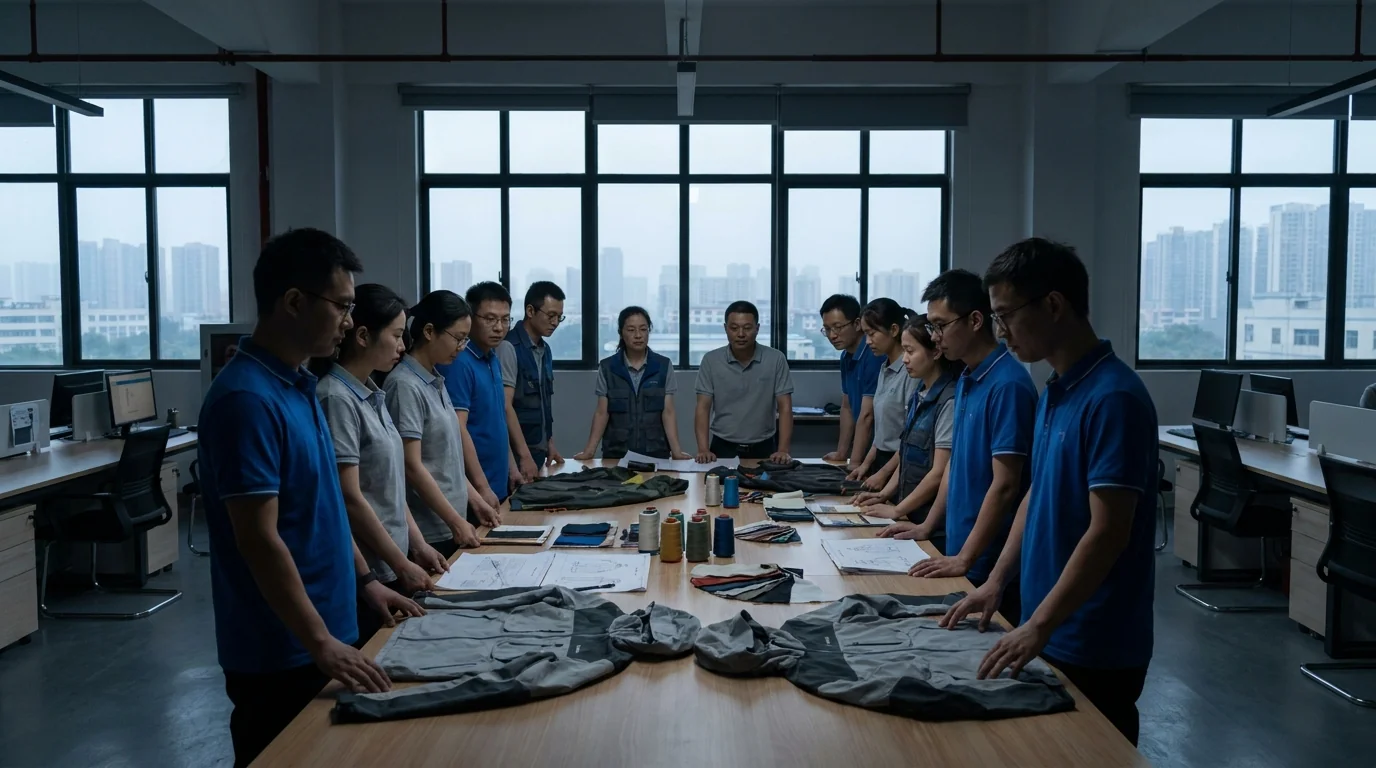
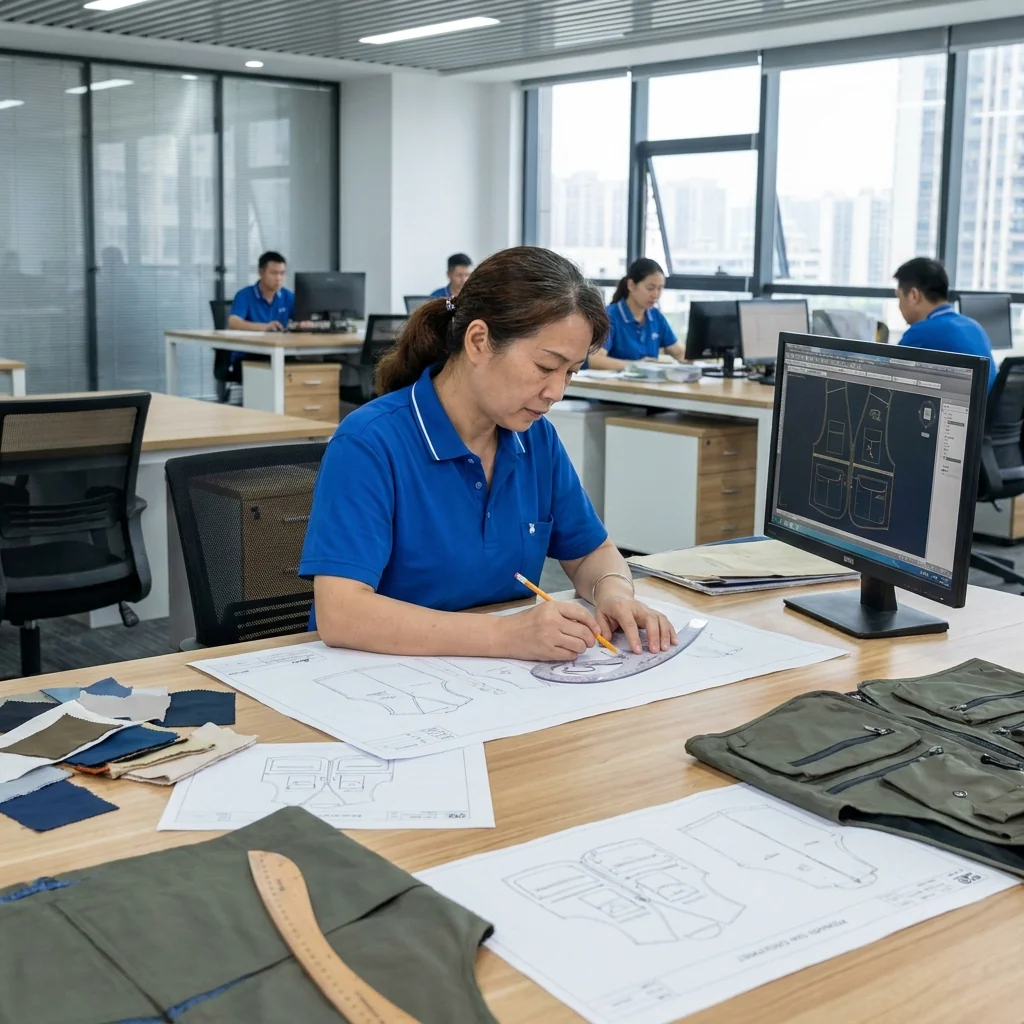
The whole reason a team buys from a factory instead of a print shop is this — a roster that looks like one team on the podium and in the photos, not a bag of near-matches. Here's the mechanism that holds color, logo and number across every piece. (Factory-stated; color figures are representative.)
Dye-lot locked
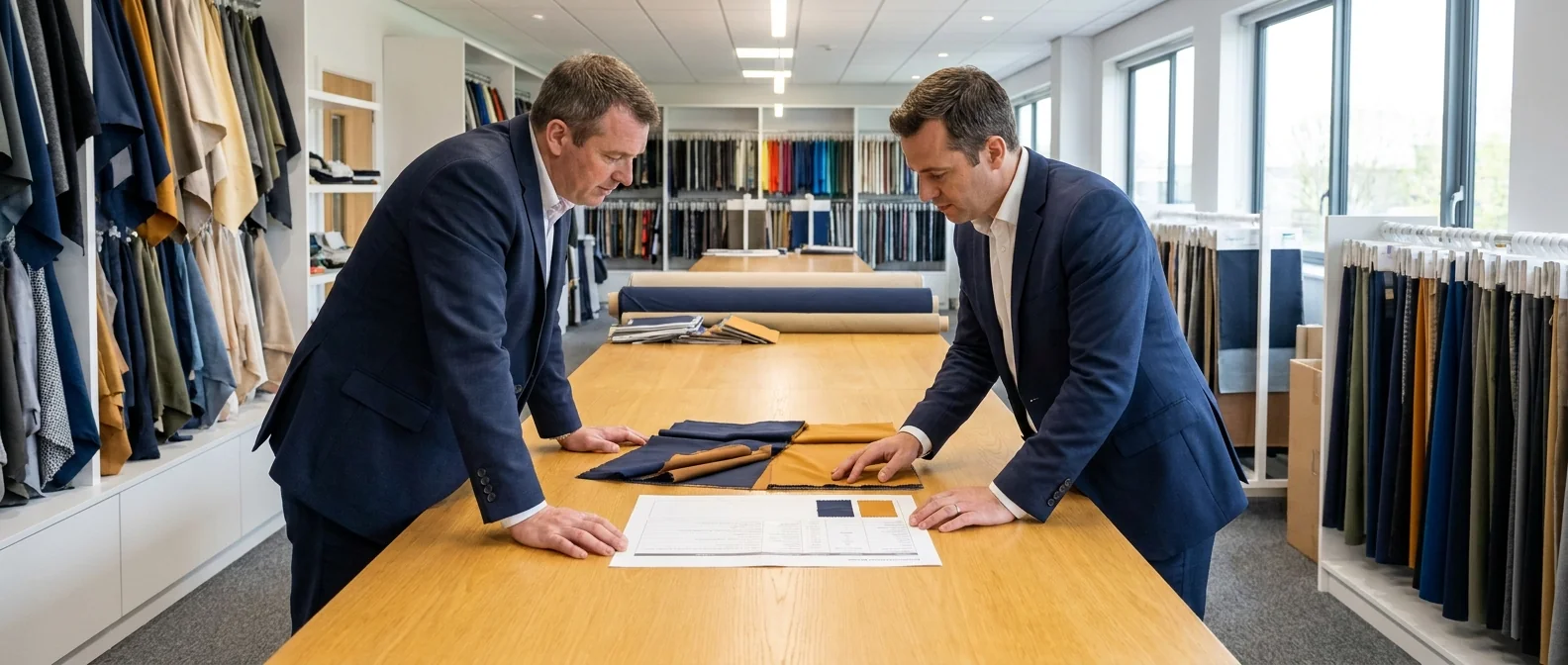
Number registeredAt the first bulk run we reserve the dye lot behind your team color and log it to your file, so every jersey, hat and gaiter is knit and dyed against that one reference — the reason a late reorder doesn't ship a shade off the original roster.
The sponsor art and team graphics are digitized once and printed to your Pantone, and print color is held within a ΔE of about 2 across the whole roster — so the first jersey and the hundredth read as the same color under stadium lights and on a phone camera.
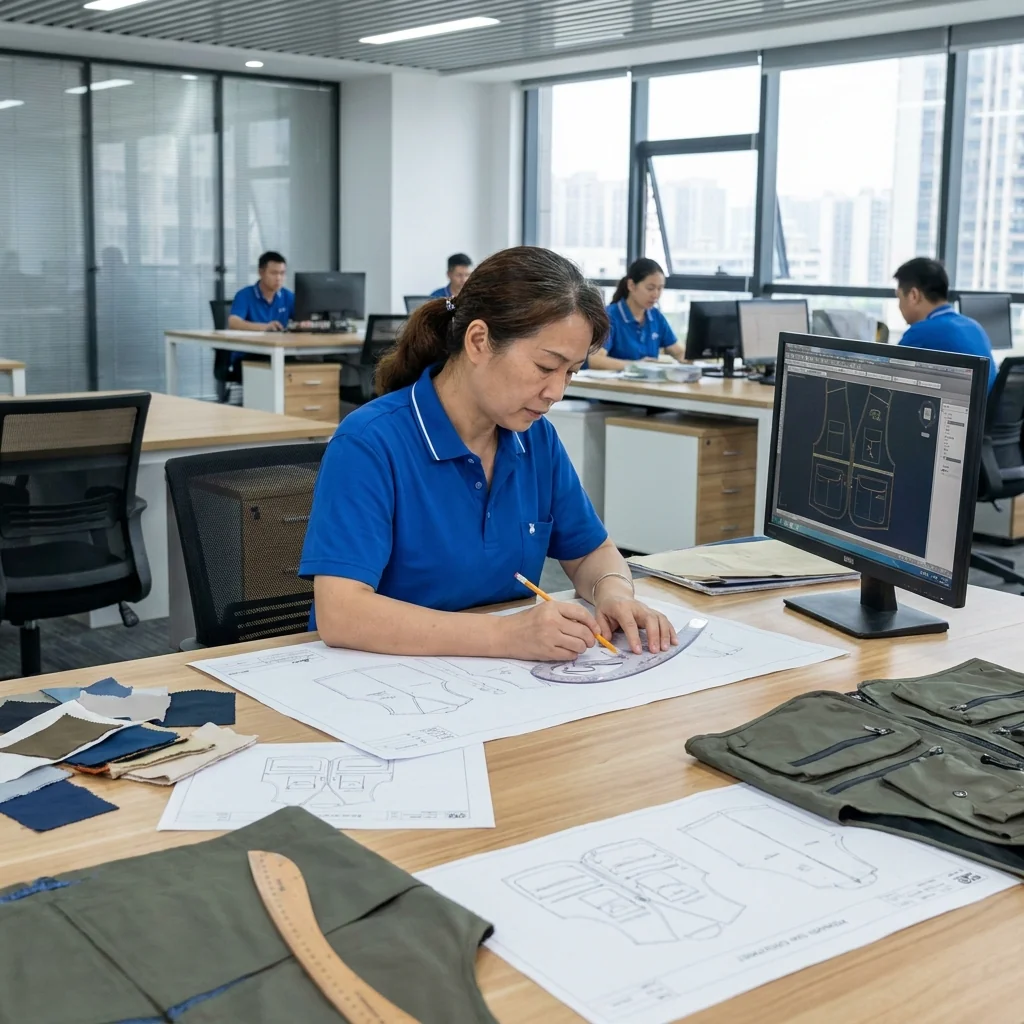
Every placement — chest logo, sleeve sponsor, back number — is pinned to a registration mark on the digitized layout and locked to your file, so panel positions don't wander piece to piece the way a hand-placed transfer does.
Every athlete's number and name comes off a single roster spreadsheet mapped to the layout, so #12 sits in the exact same spot and font as #7 — no piece re-typeset by hand, no drift across the run.
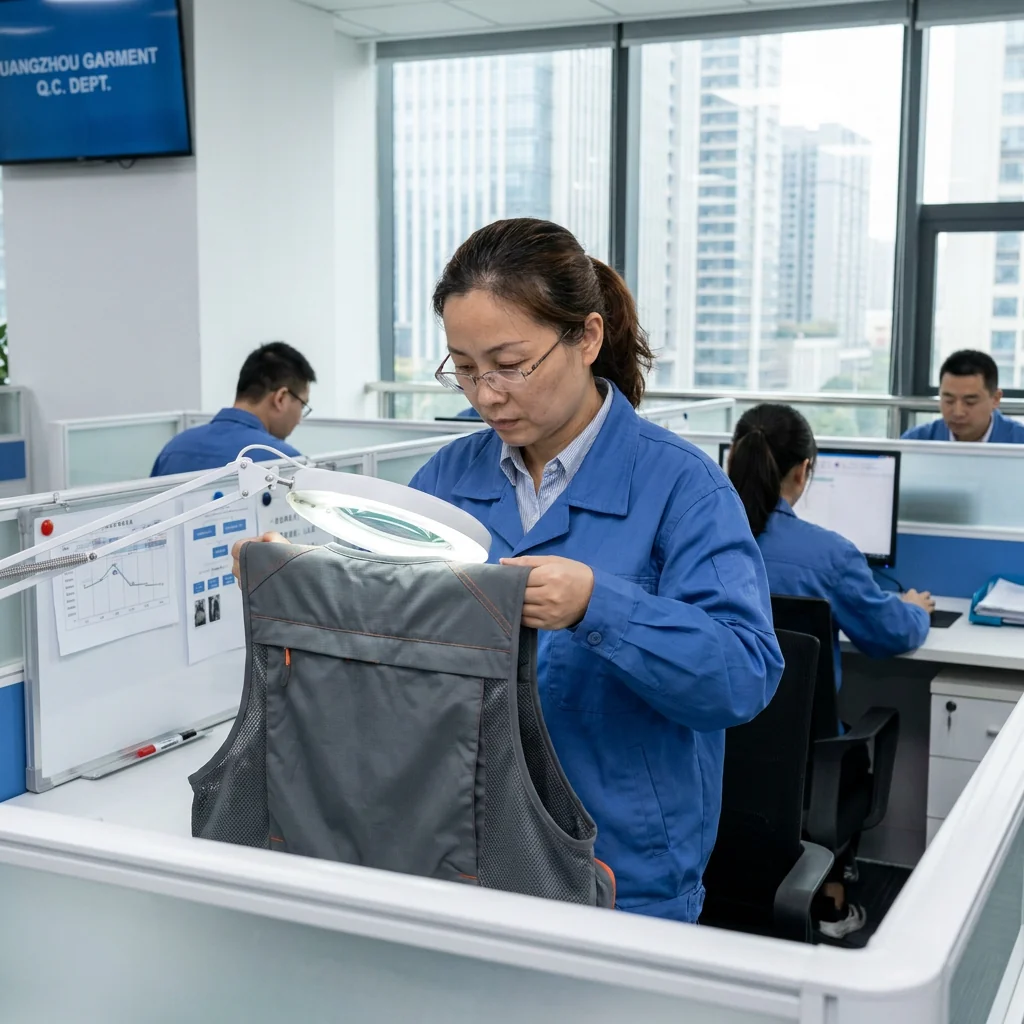
Reserved lot + locked print + registered placement + one roster file is what turns a big order into a roster that matches — representative zero visible shade drift across the roster, batch to batch, on camera and on the podium.
A team jersey is a billboard for the backers who fund the run — so the whole garment has to carry sponsors cleanly, in the right hierarchy, and identically across the roster. Here's how sponsors zone onto a jersey; the decoration methods themselves are detailed under custom decoration.
Title
Primary chest
Sleeve
Back number
Shorts


Because dye-sublimation dyes edge to edge into a poly jersey, sponsors aren't limited to a chest patch — the front, back, both sleeves, the collar and shorts are all live print area, so a title sponsor and four smaller backers each get a home.
Up to about six sponsor zones map by tier — title on the upper chest or back, primary on the front, secondaries on the sleeves, and support marks on the shorts or collar — so the funding hierarchy reads at a glance instead of a logo pile.
Every sponsor's brand color is matched to its Pantone and held across every jersey (see roster consistency), so a backer's logo is the same red on jersey #1 and jersey #100 — the thing sponsors actually check.
Panels are sized and contrasted so a sponsor mark still reads on a weigh-in photo or a livestream from across the stage, not just in the hand — logo size and placement set for the distance a tournament is shot at.
Sublimation only bonds to poly, so a full-sponsor jersey runs on a poly base; a cotton, blend or dark piece in the kit routes to screen or DTF instead — the method follows the fabric, spec'd on your tech pack.
A team kit isn't done when the sponsor art is set — every piece still has to carry its athlete. Here's how names, numbers and positions go on without re-typesetting the run or blowing the minimum. (Factory-stated.)
A single spreadsheet — name, number, size, style per athlete — maps straight onto the digitized layout, so a 40-person roster is one file, not 40 separate orders.
Numbers run in a consistent athletic outline, sized to read from the stage and the boat, placed on the back yoke by default (chest or sleeve on request) and held in one font across the roster.
Each jersey can carry the athlete's name, number and — for clubs and college programs — a position or role line, added in-layout so it prints with the graphic, not stuck on after.
Names and numbers are variable data on the same run, so a personalized roster still orders as one style from 100 pcs, mixed across sizes — not a separate order per athlete.
Your roster sheet and layout are logged, so a mid-season add or a next-season refresh reprints the same names, numbers and spots against the same file (reorder mechanics in event-date delivery).
A team looks like a team when the whole kit matches, not just the jersey. These are the pieces we build into one coordinated set on a single locked colorway — tab through the kit. (Factory-stated.)

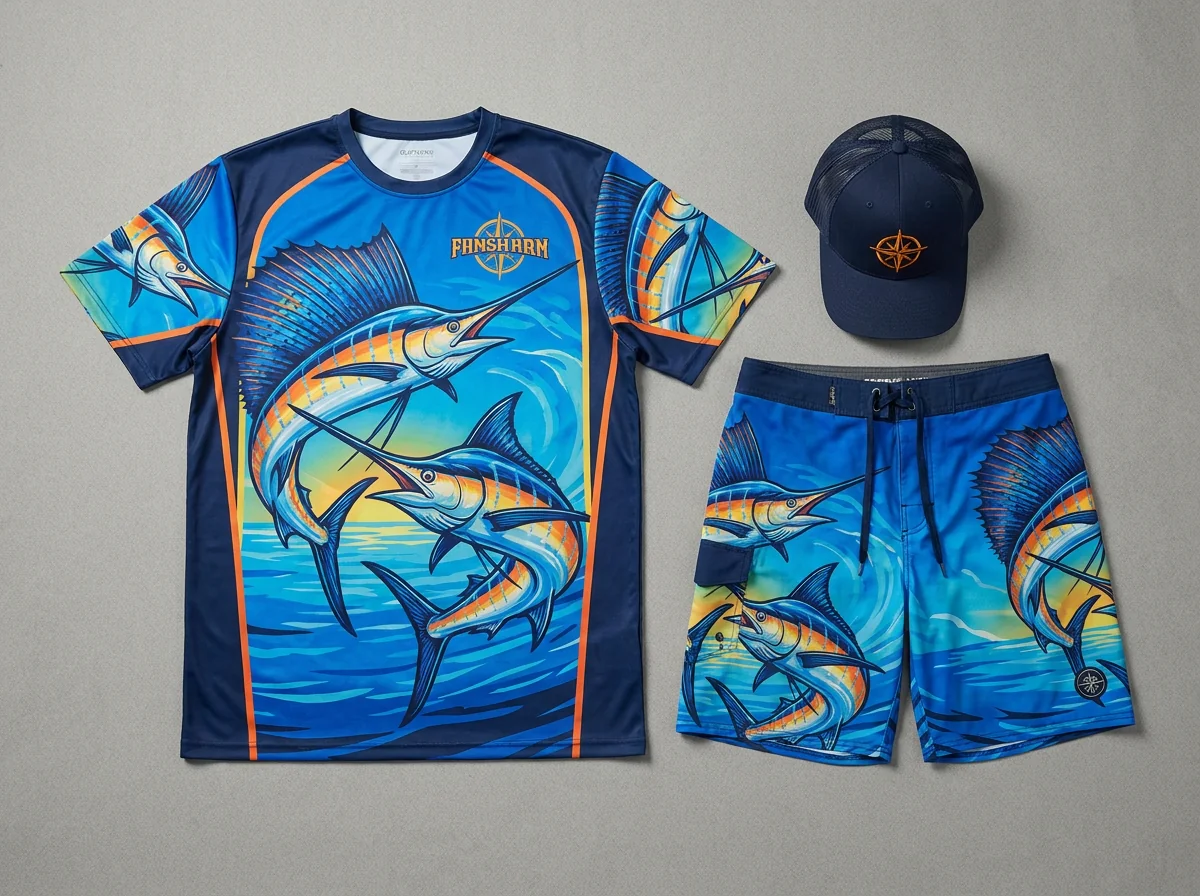
The centerpiece: full-body print, sponsor panels and the athlete number. The everyday race and weigh-in piece.
One locked colorway
The same locked colorway and sponsors in a UPF 50+ long sleeve for full-sun days on the water. Fishing jersey shirts.
One locked colorway
A hooded build in the team colors for the run out and the early start. Sun hoodies.
One locked colorway
Trucker or wide-brim in the locked color with the team or title-sponsor mark front and center.
One locked colorway
A sublimated gaiter carrying the team art, the cheapest way to add a matching guest or fan piece.
One locked colorway
Quick-dry shorts with a support-sponsor panel to round the kit into a head-to-toe look.
One locked colorwayA team order has a hard deadline a normal order doesn't — the event runs whether the jerseys landed or not. So we plan the whole run backward from weigh-in day, with a buffer, and keep a lane open for last-minute roster adds. (The full step-by-step timeline is on the home page.)
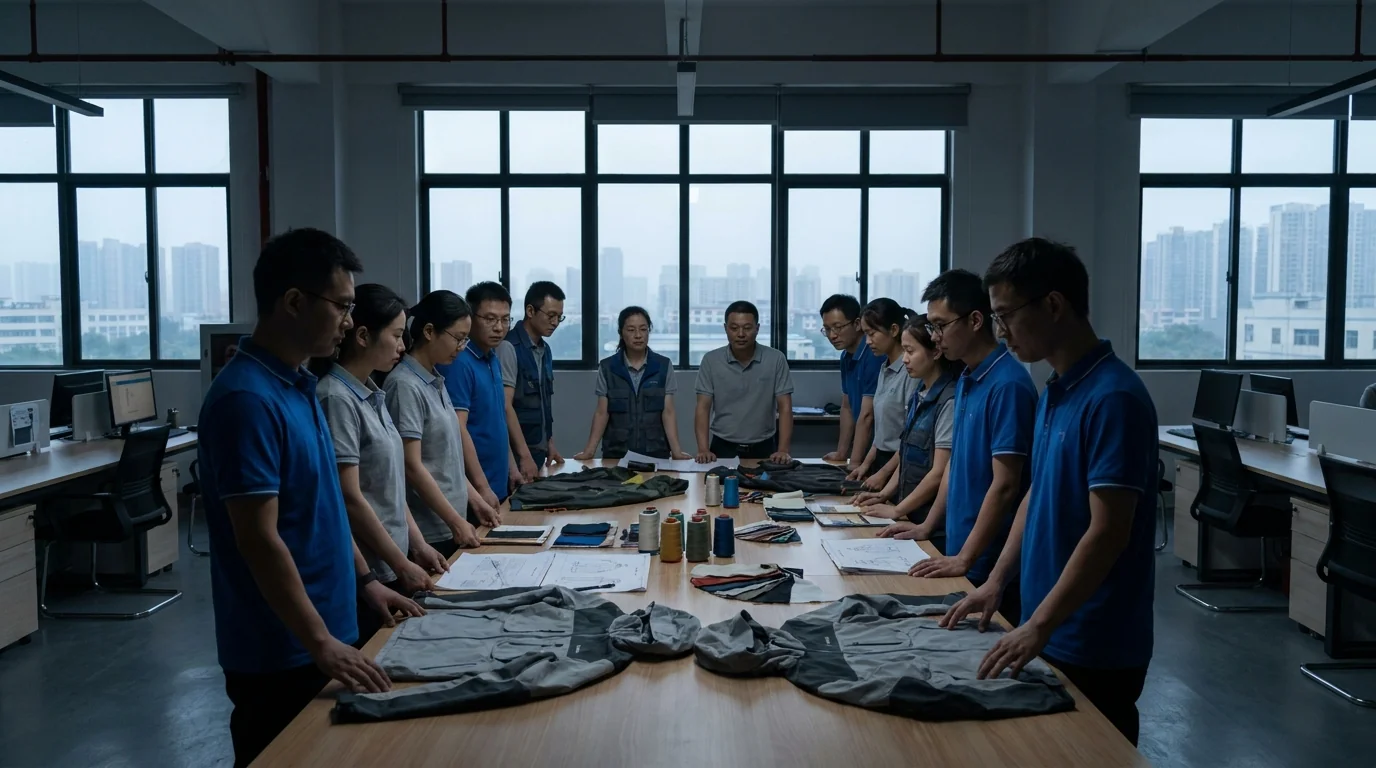
Give us weigh-in day and we schedule backward — ship-by, then final QC, bulk, sample approval and sampling each land on a dated milestone ahead of it, with a buffer built in, so the kit arrives before the event, not the week after.
The main roster goes to production on the reserved lot; a small late-add lane stays open for the two or three athletes who confirm the week before — printed against the same file so they match.
A top-up or a next-season refresh reprints against your logged colorway, layout and roster from about half the first-order MOQ and roughly 3–4 weeks, versus the first run — because nothing gets re-set up.
A physical jersey sample sews in-house in 7–10 days on the exact fabric, fee credited back against bulk, so the color, sponsors and numbers are signed off well before the production clock matters. Request a sample.
Tell us the date at the brief and we quote a schedule to it — a first team order runs roughly 5–8 weeks brief-to-ship, so a season with a fixed calendar plans around a real milestone, not a hope. The full production timeline is on the home page.
Three anonymized programs the factory runs, by region and program type — how each started, what it scaled to, and the one number that mattered to the team. (Program names and sponsors held under NDA.)
North America · Flagship
Gulf · Title event
Australia / Pacific · ClubRunning a series or a season like these? Get a team quote.
The questions organizers, teams and clubs ask before a first roster order.
From 100 pcs per style, and you can mix sizes and men's/women's/youth cuts across the roster to reach it. Reorders and late adds run from about half that.
Yes — that's the point of a factory: color is locked to a reserved dye-lot and print is held within a ΔE of about 2, so every piece and every reorder reads as one team on camera. See roster consistency.
Up to about six zoned by tier — title, primary, sleeves and shorts — because full-body sublimation makes the whole jersey printable. Each sponsor color is held across the roster.
Yes — send one roster sheet and each piece gets its athlete's name, number and position from the same file, in one font across the roster, without splitting the minimum.
Yes — we plan backward from weigh-in day with a buffer and hold a lane for late roster adds. A first order runs roughly 5–8 weeks brief-to-ship; the full timeline is on the home page.
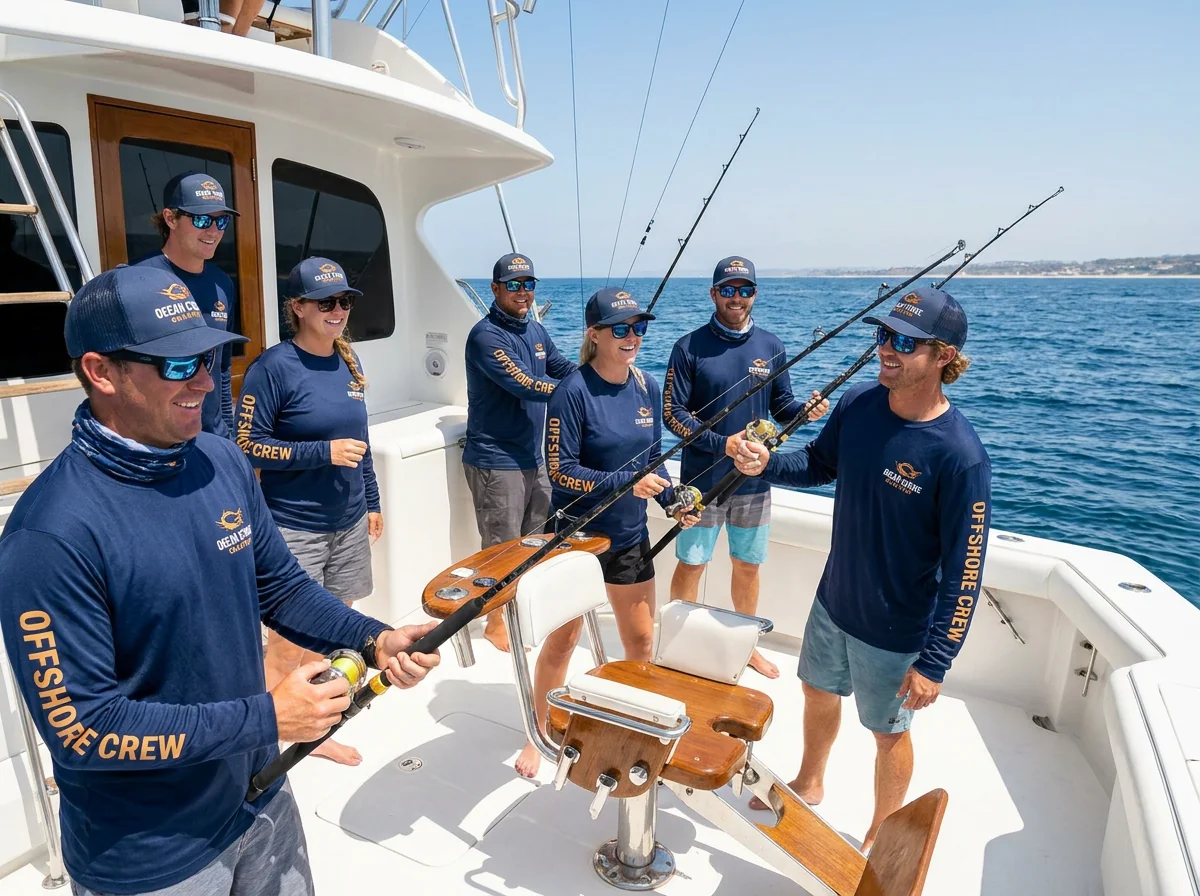
Yes — jerseys, long-sleeves, sun hoodies, hats and gaiters build as one coordinated kit on a single locked colorway. See the team kit.
Yes — a physical jersey sample in 7–10 days on your actual fabric, with sponsors and a sample number, fee credited back against bulk. Request a sample.
Send us the roster size, event date, sponsor list and your logo — you'll hear back within 24 hours, in plain English.
Prefer to request a sample or get a quote first? request a sample · get a quote.